
Sedative overdose elderly risk rises with age. As you age, your body handles medicines in a different way. This can make you more sensitive to their effects.
Sedatives prescribed by a doctor can still pose a danger. Combining them with alcohol, opioids, or other sedating drugs increases that risk. If you suspect an overdose, call 911 or go to the nearest emergency room now. For suicidal thoughts, also call or text 988. Our guide to tramadol and alcohol interaction explains how timing and drug checks affect safety. Our guide to Adderall and alcohol together explains the risks and warning signs of mixing these substances. Our guide to valium and alcohol together explains safe steps to take after mixing these substances.
This guide covers age-related risks, dangerous combinations, warning signs, and caregiver actions. See our general sedative overdose guide for broader information. We are a U.S. treatment directory and publisher. We do not act as a treatment provider or claim medical review.
What to Do First in a Suspected Overdose
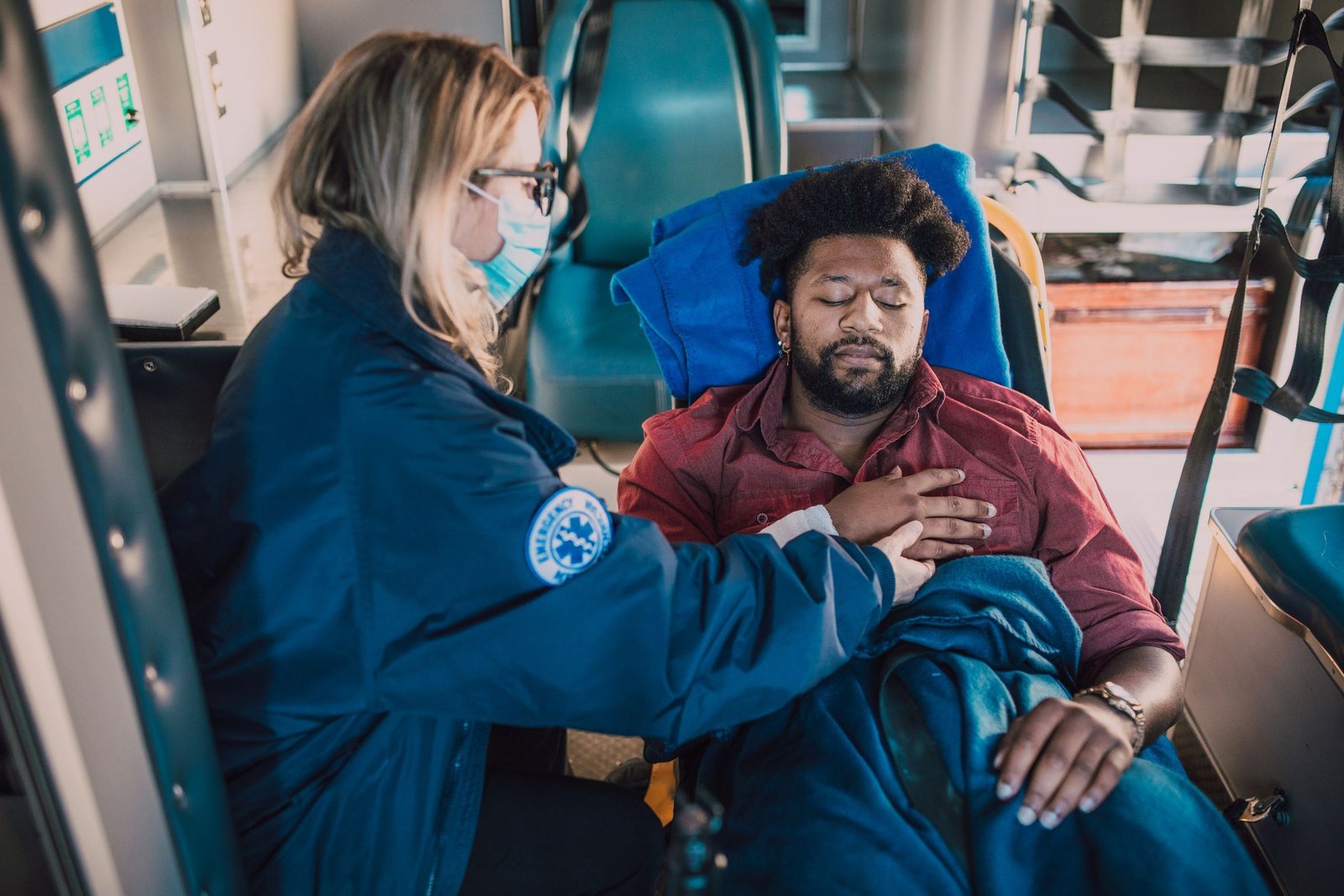
Act right away if you suspect an older adult took too much sedating medicine. Knowing what to do after a suspected overdose can save a life.
- Call 911 or go to the nearest emergency room now. Act now if the person collapses, seizes, struggles to breathe, or cannot be woken up.[1]
- Follow the dispatcher's instructions and stay with the person. Ensure their safety and monitor their breathing while you wait for help.
- Do not make them throw up. Give nothing by mouth to an unconscious person.[2] Try to make them vomit only if a poison expert or healthcare professional instructs you to.[2]
- Gather medication containers or a list. Take pill bottles or a list of medications with you if it is safe. Tell responders what was taken, the amount, and the time.
This free, confidential service connects you with poisoning experts anywhere in the United States.[3] However, if you suspect an overdose based on overdose warning signs like unresponsiveness or slow breathing, call 911 first.
Sedative Risks and Why They Grow With Age
Your body processes medicine differently as you age. Your liver and kidneys may slow down. This changes how drugs break down and leave you.[4] A dose that was fine before might build up too much now.

This does not mean an overdose has happened. There is just less room for error. Your overall health is more important than your age alone.
A lot of people take multiple prescriptions at the same time. Age or specific drugs can also lower balance and alertness.Neither fact proves an overdose, but both explain why sedating drugs need extra care in later life.
Elderly people face special risks from benzodiazepines. Long-term use of these sedatives can raise the chance of falls, drowsiness, memory problems, and car crashes.[5] Drowsiness and poor balance may seem like normal aging. Watch for new or worse confusion, trouble staying awake, or unsteady walking after starting or changing a dose. For specific details on recognizing and responding to these dangers, review our guide to temazepam overdose symptoms and emergency steps.
For seniors, benzodiazepine safety relies on the full picture. This covers other medicines, liver and kidney function, fall history, and how long the drug was taken. A prescribed dose is not always safe for everyone at every life stage. If you notice any possible overdose signs—including unusual sleepiness, confusion, trouble staying awake, or unsteady walking—call 911 or go to the nearest emergency room now. For medication concerns without possible overdose signs, talk with the prescriber before changing anything on your own.
Why Combining Sedatives Raises Danger
Combining substances is often where the risk lies. It is not just about using too much of one drug. Two sedating substances can have additive effects, even if you follow directions. Aging may also change how your body handles certain medicines.[4] This does not mean every combination is dangerous for all people. However, it means you should know what signs to look for.
The chart below highlights common scenarios that increase the chance of excessive sedation. Review it to help you speak with your pharmacist or prescriber.
| Combination or Circumstance | Why It Can Raise Risk | What to Tell Your Pharmacist or Prescriber |
|---|---|---|
| Benzodiazepines and opioids | FDA labeling warns that combining these can cause deep sleep, slowed breathing, coma, or death.[6] | List all pain medicines and anxiety or sleep aids you take. Include doses and timing. |
| Sedatives and alcohol | Alcohol can make anxiety or sleep meds feel more sedating. This raises the risk of falls and other dangers.[7] | Share the amount and frequency of your drinking openly. Small amounts still count. |
| Prescription sedatives and OTC products | Non-prescription sleep or allergy drugs can increase the sedating impact of prescription medications. This raises the chance of extreme drowsiness. | Mention all over-the-counter products you use, including supplements and herbal remedies. |
Learning about these sedative medication interactions helps keep you safe. At your next visit, report any recent health changes. Also discuss new non-prescription products or alcohol use. This information allows your care team to identify risks before they turn into emergencies.
Symptoms That Require Urgent Medical Help
Getting care fast depends on spotting signs early. Symptoms change based on the medicine. Signs may not show up right away.[2] If you believe someone was poisoned, do not wait for symptoms to appear.[2]
Sedative Overdose Signs in Older Adults
Be aware of these possible signs:[8]
- Unusual sleepiness or extreme drowsiness
- Disorientation or feeling confused
- Speech sounds slurred
- Stumbling or lack of coordination
- Muscle weakness or low tone
- Cannot rouse the person
If you see any of these signs, call 911 or go to the nearest emergency room now. Do not wait to see if the person wakes up on their own. “Body shutting down” is not a medical term. It does not forecast what will happen. Only emergency medical professionals can identify the cause and give needed care. See our guide on emergency signs of a drug overdose for more details.
Check Your Meds With a Pro, Not Alone
A medication safety review for older adults helps you see how your medicines add up. Bring a list for review that includes prescriptions, OTC sleep aids, antihistamines, supplements, and alcohol. If you are wondering what five drugs should adults over 65 avoid, there is no single list that fits everyone. Clinicians may review benzodiazepines in older adults, since long-term use can raise risks of memory issues, drowsiness, falls, and car crashes.[5] They may also check benzodiazepines used with opioids, as FDA labeling warns this mix can lead to deep sedation, breathing trouble, coma, or death.[6] Treat these as discussion points, not a set avoid-list. Read the FAQ below for more details.
Please do not stop or change a prescribed sedative on your own. FDA labeling says talk to your health care professional about lowering benzodiazepine dose and frequency slowly.[9] Take your full medication list to your prescriber or pharmacist. They can compare the benefits with the risks.
Prepare for a Medication Review
Your ticks are saved on this device only.
If you notice a pattern of using more than intended, that may point to something beyond an accidental overdose. Read more about signs of sedative use disorder. Our guide on discussing medication interactions with your doctor has tips for starting the chat safely.
Medication Safety Self-Check
This self-check is for information only and isn't a diagnosis.
Emergency Care for Sedative Overdose in Older Adults
If you think an older adult has taken too much sedative, call 911 or go to the nearest emergency room now. Do not wait to see if they improve. Older adults face greater risks since their bodies handle medicine slowly. Existing health issues can also complicate matters.

Emergency teams perform a thorough check. No single plan fits everyone. They review breathing, heart rate, and alertness. Staff seek details on what was taken and the amount. Tests may check organ health and oxygen levels. Care helps breathing stay safe as the medicine leaves the body.
Call for help
If you see signs of an overdose, call 911 or go to the nearest emergency room now.
Initial check
Responders check alertness, pulse, and breathing right away.
Gathering info
Doctors ask about other health issues. They also ask what medicines were taken, how much, and when.
Tests and monitoring
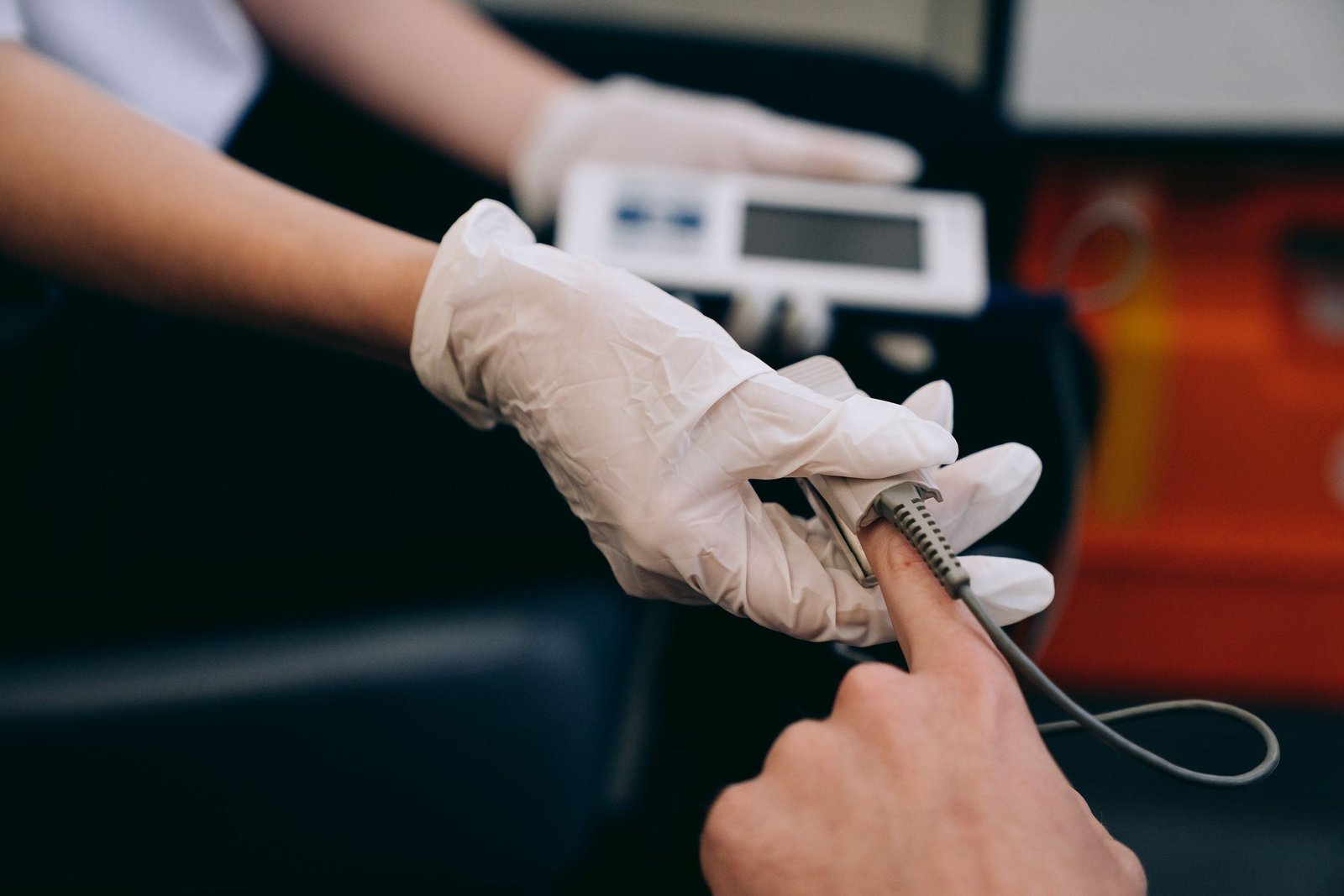
Staff may use machines or blood tests to watch heart rhythm and oxygen levels.
Supportive care
If needed, teams provide oxygen or assist with breathing. They monitor closely for any changes.
Deciding next steps
Doctors decide if hospitalization is needed based on stability.
Naloxone saves lives during opioid overdoses. It does not work for pure sedative overdoses, like benzodiazepines. However, many overdoses involve multiple drugs. Doctors may use naloxone if opioids could be involved. Having naloxone on hand should never delay calling 911. Read our guide on using naloxone for sedative overdoses to learn when it helps. For details on hidden risks, our guide to fentanyl contaminated benzos explains what you can and cannot know about these pills.
Safety comes first for the future. Ask a doctor to look over all your medicines at once. Doing this can help reduce future risks. See our guide on preventing accidental sedative overdose for easy ways to protect your loved ones. You can also lower risk by learning how to dispose of unused sedatives safely through local take-back programs.
Frequently Asked Questions
What five drugs should adults over 65 avoid?
No single list of five drugs exists for every older adult to avoid. Your health and current medicines decide the safest plan. Guides like the Beers Criteria help doctors spot risks, but they are not strict rules. Do not stop or change a medication until you talk to your prescriber or pharmacist.
Can a sedative overdose cause death in an older adult?
Yes, a sedative overdose can be life-threatening. These medicines often affect older adults more strongly. Signs alone do not let you predict the result. If you suspect an overdose, call 911 or go to the nearest emergency room now. Do not wait for symptoms to worsen.
Will naloxone reverse a sedative overdose?
Naloxone fixes opioid overdoses. It does not fix sedative overdoses, such as those from benzodiazepines or sleep aids. It will not work if only sedatives are involved. However, naloxone may help that part if opioids might also be there. Give it if you have it, but do not delay getting help. Call 911 or go to the nearest emergency room now for full medical care.
What might happen in the emergency department after a suspected overdose?
Doctors examine your breathing and how awake you are. They review vital signs to judge how serious the situation is. They may run tests to find out what was taken and how much. The main goal of treatment is your safety as your body removes the medicine. Your care depends on your health history and current symptoms.
What are the risks of benzodiazepine use in older adults?
Older adults are often more sensitive to benzodiazepines, which can affect thinking, balance and alertness. Physical dependence can develop even when you take these medicines exactly as prescribed.[10] Stopping them suddenly can cause severe withdrawal reactions, including seizures.[10] Always talk with your prescriber before changing your dose or schedule.