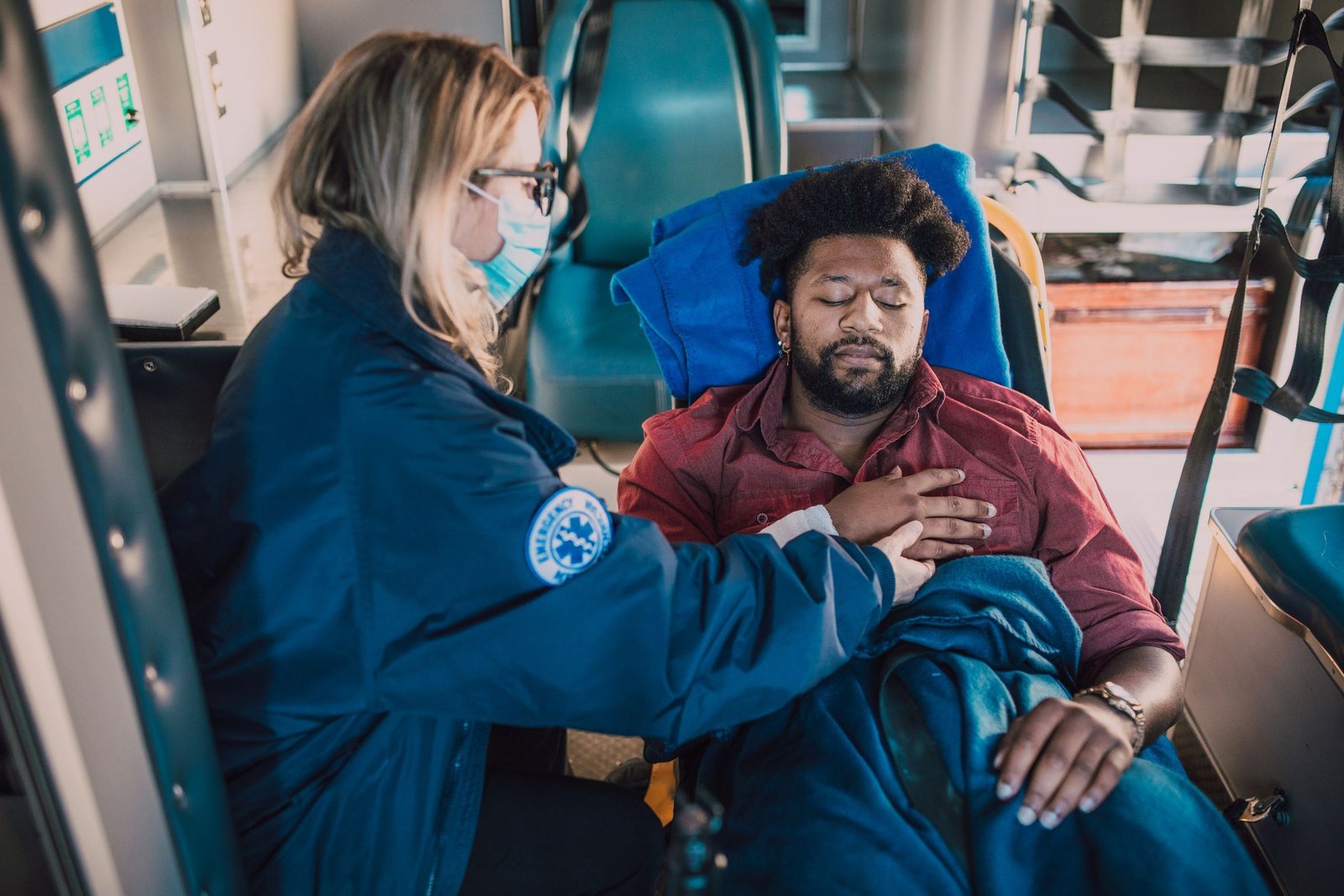

No. The tramadol and alcohol interaction is not considered safe. Using both at once can lead to dangerous sedation. It can also slow or stop breathing. Even if you take them apart, this mix increases the chance of serious harm.
If someone is hard to wake, or has slow or stopped breathing, call 911 or go to the nearest emergency room now. Do this for a seizure, severe confusion, hallucinations, a high fever or racing heart during withdrawal, or signs of an overdose. If you have thoughts of suicide or self-harm, call 911 or go to the nearest emergency room now. You can also call or text 988.
If both were taken but none of these danger signs are present, contact U.S. Poison Control at 1-800-222-1222. They base their guidance on the dose and timing.
We publish a U.S. treatment directory, not a treatment provider. This guide details known risks to help you make safer choices and recognize when to seek help.
What to Do Right Now If You Mixed Both
If you have already combined tramadol and alcohol, knowing the right actions can save a life. Take these steps right away.
- Check responsiveness and breathing. Check whether the person is awake and breathing normally.
- Call 911 or go to the nearest emergency room now for danger signs. Signs include unresponsiveness, seizures, severe confusion, hallucinations, high fever, a racing heart, or slow or irregular breathing.
- Use naloxone if available and opioid overdose is suspected. Give it as directed, but do not delay calling 911.[1]
- If there are no danger signs, call U.S. Poison Control at 1-800-222-1222. They provide free, confidential advice 24/7.[2] Do not wait for symptoms to appear.
- Stay with the person. Keep them from driving.
What Should I Do Next?
This self-check is for information only and isn't a diagnosis.
Dangers of Combining Tramadol and Alcohol
Both tramadol and alcohol slow down the central nervous system. This system manages your alertness, breathing, and body reactions. Since they affect the same systems, using them together can create effects neither drug causes alone. Just because you feel fine briefly does not mean this mix is safe.

These dangers can be severe. U.S. prescribing information warns that combining alcohol with opioids like tramadol can cause profound sedation, respiratory depression, coma, and death.[3] Respiratory depression occurs when breathing is too slow or shallow to provide your body with enough oxygen. In severe cases, breathing can stop entirely.
You might not feel these effects right away. You may feel drowsy, dizzy, or clumsy before you realize your breathing is slowing down. Because of this, judging if it is safe to drive or do other tasks becomes difficult. Always listen to your prescriber and pharmacist about skipping alcohol when using tramadol.
~6.3 hours
Mean terminal half-life of tramadol[4]
~7.4 hours
Mean terminal half-life of active metabolite M1[4]
These figures are study averages showing how long the drug stays in the blood. They are not a safe timer for drinking. Your age, liver health, and dose change how long tramadol affects you. Do not use these numbers to decide when to have a drink.
Official drug labels clearly warn about this danger. Using tramadol with alcohol increases the risk of profound sedation, respiratory depression, coma, and death.[5]
Recognizing an Overdose or Other Emergency
Combining tramadol and alcohol creates a risk of serious harm. If you spot any sign below, act now. Do not wait for them to pass. Call 911 or go to the nearest emergency room now.
| Warning sign | What a bystander may notice | What to do |
|---|---|---|
| Inability to wake | The person does not respond to shouting or shaking. | Call 911 or go to the nearest emergency room now. |
| Slow or shallow breathing | Breathing is very slow, irregular, or stops for short periods. | Same as above. |
| Seizure | The body stiffens, jerks uncontrollably, or loses control of bladder function. | Same as above. |
| Hallucinations | They see, hear, or feel things that are not real. | Same as above.[6] |
| Severe confusion | The person does not know where they are or who you are. | Same as above.[6] |
| High fever | Skin feels very hot to the touch, often with heavy sweating. | Same as above.[6] |
| Racing heart | Their heart beats very fast, hard, or unevenly. | Same as above.[6] |
Tramadol and Alcohol Overdose Symptoms
Knowing the tramadol and alcohol overdose symptoms helps you act quickly. If you spot any of these signs of a drug overdose, call 911 or go to the nearest emergency room now.[6]
Waiting Time Before Drinking Alcohol After Tramadol
You may wonder how long to wait before drinking alcohol after taking tramadol. No one safe wait time works for everyone. Both alcohol and tramadol impact your brain and breathing. You should avoid alcohol while using tramadol.

Discuss your situation with your pharmacist or prescriber. They are aware of your health history and dose. They can offer advice tailored to you.
Your body gets rid of tramadol at a certain rate. Many things affect this speed. Immediate-release and extended-release forms enter your system in different ways. We do not know the full difference between these two types.[7] This means a professional must watch you closely if you switch forms.[7]
Health issues also play a big role. Most tramadol is broken down by your liver, while your kidneys filter out the remainder.[8] If these organs are not functioning properly, the drug remains in your body longer than usual. Since everyone metabolizes drugs differently, a standard timeline cannot say when it is safe for you to drink.
Substances and Drugs to Watch For
More than just alcohol can make tramadol unsafe. Combining opioids with benzodiazepines or other central nervous system depressants can raise the risk of slowed breathing and overdose.[9]
U.S. prescribing information notes other drug types that may interact with tramadol. These include:
- Sedating medicines: Other opioids, benzodiazepines, muscle relaxants, tranquilizers, and sleep aids.[5]
- Serotonergic medicines: Some antidepressants, like SSRIs and SNRIs, and triptans for migraines. These drugs can raise the risk of serotonin syndrome.[10]
- Medicines that increase seizure risk: Other drugs and some antidepressants that lower the seizure threshold.[10]
These are examples, not a full list. Have your prescriber or pharmacist check your entire medication list for interactions.
Do not try to judge interactions by yourself to keep your tramadol medication safety on track. MedlinePlus advises telling your healthcare professional about every prescription drug, nonprescription medicine, vitamin, and supplement you take.[11] Read our guide on signs someone may be using opioids if you worry that tramadol use is part of a broader pattern. For more on dangerous combinations, our guide to cocaine and heroin together explains the specific risks of mixing these substances. If you are concerned about other combinations, our guide to Adderall and alcohol together explains the specific risks involved.
What to Tell Your Prescriber or Pharmacist
Your ticks are saved on this device only.
What Cancels Tramadol?
Nothing at home cancels the tramadol and alcohol interaction. Coffee, food, cold showers, or other medicines do not make this mix safe. Trying to flush drugs out yourself can hurt you and waste time.

If you or someone else took tramadol and alcohol but has no danger signs, call the U.S. Poison Control Center at 1-800-222-1222 for free, confidential advice. They can share what signs to watch for and if care is needed.
If you see signs of an overdose, such as trouble breathing, extreme drowsiness, or unresponsiveness, call 911 or go to the nearest emergency room now. Do not wait to see if symptoms improve.
Do not give food or drink to anyone unconscious or unable to swallow safely.[12] This rule covers water, coffee, food, and other medicines.[12] Do not make someone throw up unless a poison expert or health care provider says to.[12]
Effects of Tramadol on the Body
Schedule IV status applies to tramadol as a controlled substance.[13]
You may ask, “what organ does tramadol damage?” This info covers how tramadol is processed. It does not say it causes organ injury.
| Concern | What the evidence says |
|---|---|
| Breathing and overdose risk | Using tramadol with alcohol or other central nervous system depressants may result in profound sedation, respiratory depression, coma, and death.[5] If an opioid overdose is suspected, call 911 or go to the nearest emergency room now.[1] |
| Controlled-substance status | A Schedule IV controlled substance is what tramadol is called.[13] |
| Liver and kidney processing | The liver mainly breaks down tramadol, while the kidneys remove its metabolites.[8] This shows how the body handles it. This alone does not prove organ injury. |
If you ask, “why do doctors not like tramadol?”, one safety concern is combining it with alcohol or other central nervous system depressants, which can lead to profound sedation, respiratory depression, coma, and death.[5] If you have concerns about tramadol, talk with your prescriber before making any medication decisions.
Finding Support for Continued Safety Issues
Have you combined tramadol and alcohol multiple times? Is handling your medication tough? Reach out to your prescriber or pharmacist. They can help build a safe plan for you. You do not have to manage this on your own.
Free resources are available for ongoing issues. SAMHSA’s National Helpline gives free, confidential info and treatment referrals, available 24/7.[14] You can also visit FindTreatment.gov to find substance use disorder treatment services in the U.S.[15]
If you have concerns for yourself or someone else, begin by reading our guide on finding drug treatment. To find local options, you can search for treatment programs in our directory. These tools let you explore choices, but they do not replace medical advice.
Frequently Asked Questions
What should I do if I already took tramadol and drank alcohol?
If you have no danger signs, call U.S. Poison Control at 1-800-222-1222. They can provide advice for your specific situation. If you see signs of an overdose, call 911 or go to the nearest emergency room now.[1] Do not wait for symptoms to get worse.
How long after taking tramadol can you drink alcohol?
No set number of hours works safely for everyone. Avoid guessing a safe time by yourself. Ask your prescriber or pharmacist about your specific medicine and health history. It is best not to drink alcohol while taking tramadol.
What should you not mix with tramadol?
Do not combine tramadol with alcohol or other sedating drugs without checking with your prescriber or pharmacist first. Always give them a full list of your medicines and supplements. Certain drugs that impact serotonin, like some antidepressants, can lead to serotonin syndrome.[10]
What painkiller can I not take with alcohol?
There is no list of painkillers that everyone can safely mix with alcohol. Risks depend on the specific drug and your health. You should not mix tramadol with alcohol because it is unsafe. Ask a pharmacist or prescriber before combining any pain reliever with alcohol.
What cancels out tramadol?
There is no home remedy that reliably reverses the effects of this mix or makes it safe. If you suspect an opioid overdose and have naloxone, use it as directed.[1]