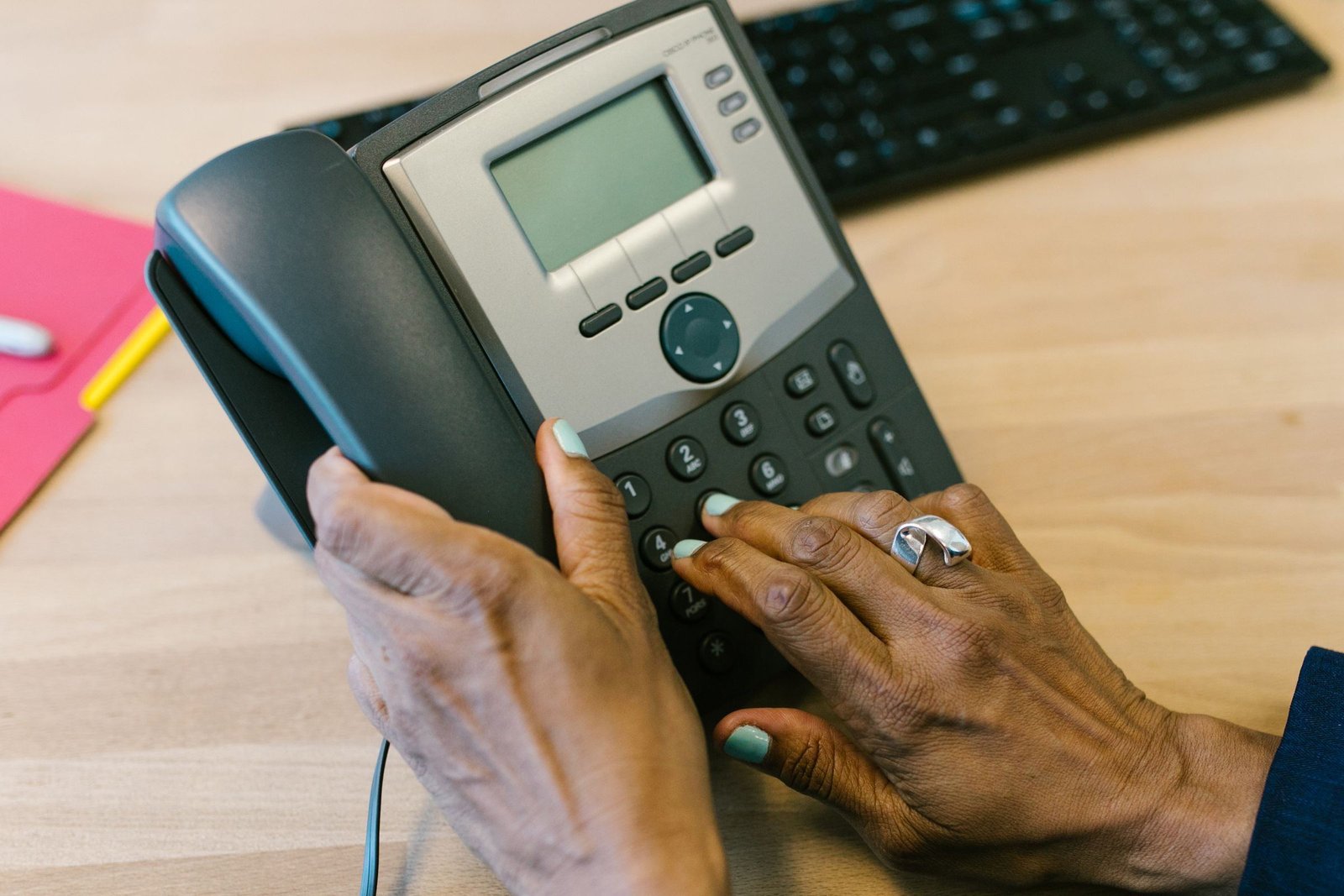

A suspected drug overdose is an emergency. If someone has trouble breathing, can't be woken up, is having a seizure, or collapses, call 911 right now. Do not wait to figure out what they took. Do not wait for more signs to appear. If you think it might be an overdose, treat it like one.
For thoughts of suicide or self-harm, call or text 988. If there is immediate physical danger, call 911.
Our site is a U.S. treatment directory. We do not give treatment. This guide is for information only and does not replace emergency care.
If You Suspect an Overdose, Call 911
Call 911 right away if you think someone has overdosed or is in immediate danger. You should not pause to identify the drug involved. Do not wait for the person to show every possible symptom. Guidance from the National Institute on Alcohol Abuse and Alcoholism says to call 911 when an alcohol overdose is suspected, even if the person does not have all the symptoms.[1]
Check for these danger signs:
- Breathing that is slow, odd, or absent
- Lips or fingertips look blue or gray
- Won't wake up to loud sounds or strong shaking
- Shaking fits or a seizure
- The body is floppy or has fallen down
- Very confused or not responding at all
Call right away if you see any of these. Tell the dispatcher your location and what you notice. Share what happened and when, if you know. Keep talking to them and do what they say until help gets there.
Drug-Specific Overdose Signs
Overdose looks different depending on what someone took. These signs are typical patterns, not a full checklist. A person can overdose without showing every sign. If you suspect an overdose, call 911 right away. Do not wait to see all of them.

105,007
recorded U.S. drug overdose deaths in 2023[2]
31.3
age-adjusted rate per 100,000 standard population in 2023[2]
Opioid Overdose Signs
Opioids slow down body functions. Watch for these main signs:
- Sleepiness or drowsiness that is unusual
- Speech is slurred or the person is confused
- Breathing is slow or shallow
- Very small pupils
- Heartbeat is slow or blood pressure is low
- The person is hard to wake up
A person may not have every sign listed here. If you see any of these signs, call 911 immediately. See our guide on recognizing an opioid overdose for more info on what to spot. For a deeper look at fentanyl and other opioids, our guide explains how to identify drug classes and understand their risks. For details on another common substance, our guide to PCP effects and dangers covers overdose signs and available treatment options.
Signs From Stimulants and Other Drugs
Stimulants make the body go faster. They can put stress on the heart and brain. Possible urgent signs include chest pain, overheating, severe agitation or panic, confusion, hallucinations, a fast or irregular heartbeat, seizures and jerking or rigid limbs.[3] Stimulant overdose symptoms can worsen quickly and become life-threatening.[3] Depending on the substance and how it was taken, complications may also include trauma, inhaling vomit, delirium, coma or convulsions.[4] For details on specific synthetic stimulants, our guide to bath salts drug dangers explains why the name is misleading. For more on spotting toxicity from specific stimulants, see our guide to cocaine overdose signs and mixed drug risks.
Overdoses With Multiple Substances
More than one substance is involved in many overdoses. Mixing opioids with alcohol or other central nervous system depressants raises overdose risk and can suppress breathing.[1] Combining drugs can also produce unexpected effects like collapse, severe confusion or trouble breathing that doesn't fit one drug's usual pattern.[1][4] Treat any unresponsive person with breathing problems as an emergency. Our guide to benzodiazepine overdose explains the specific signs and risks when sedatives are mixed with other substances. For details on unpredictable reactions from synthetic cannabinoids, read our guide to the dangers of K2 synthetic marijuana. For more on how combining substances affects safety, our guide to LSD and alcohol together explains the risks and next steps.
| Substance pattern | Possible urgent signs |
|---|---|
| Opioids | Lips or nails turn blue/gray; pupils very small; hard to rouse; breathing is slow/shallow[5] |
| Stimulants | Rapid heartbeat; extreme restlessness; high body temperature; convulsions; chest pain[3] |
| Mixed substances | Trouble breathing; passing out; very confused[1][4] |
If you're unsure whether symptoms come from an overdose or from stopping a drug suddenly, see our guide on when withdrawal needs emergency care. Either way, if someone is unresponsive or struggling to breathe, call 911 now.
While You Wait for Emergency Help
Do not wait to see if the person improves on their own. Act now if you think an overdose is happening. Use these steps while emergency help is on the way.
- Call 911. Tell the dispatcher your exact location and that you suspect a drug overdose. Turn on your phone's speaker. This allows you to use your hands during the call.
- Check breathing and responsiveness. Check for signs such as pinpoint pupils, slow or shallow breathing, or trouble waking them.[5] Tell the dispatcher at once if they are unresponsive or not breathing normally. Based on your training and the situation, they will guide you through steps like rescue breathing or CPR.
- If they have a seizure, pad their head and move hard objects away. Do not place anything inside their mouth.
- Give naloxone if you have it. If you suspect an opioid overdose, use naloxone right away if it is available. Naloxone blocks the effects of opioids and temporarily reverses dangerous symptoms, which can help prevent death.[6] It is safe to give when an overdose is suspected, even if you are not sure which drug was taken.[6] Always follow the package directions for the specific product you have. Remember: naloxone does not replace calling 911. The person still needs emergency care.
- Do not induce vomiting. Do not make the person throw up unless a poison control center or medical professional tells you to do so.[7] Do not give them food, drink, coffee, or other substances unless a qualified professional directs you to do so.
- Stay with the person. Keep an eye on their breathing and see if they react to your voice or touch. Protect them from falls or other injuries until paramedics get there.
- Once responders show up, share the drugs you suspect, the amount, and the time.Share what you know. Bring any pill bottles or packages nearby, or leave them where paramedics can see them.
There Is No Reliable “Stage Before” an Overdose
A lot of people fear they overlooked a warning sign. In reality, no dependable list of signs exists. Do not wait for a certain “stage” to show up. If you spot danger, call for help immediately.

The signs and symptoms of a drug overdose depend on several factors. Factors such as the type of drug, your tolerance, and any alcohol or meds involved vary.[8] They differ for each person. The same drug can cause very different reactions in two people. A person may appear normal, then suddenly stop responding.If you see signs of an overdose, act now. Do not wait for symptoms to worsen.
Overdose Is Not Withdrawal
Physical dependence is when the body adapts to a substance. This can cause withdrawal symptoms if use is reduced or stopped.Overdose and withdrawal are different conditions. It can happen with prescribed and non-prescribed substances. Withdrawal symptoms do not mean someone is overdosing.[9] The symptoms of one do not cancel out the other.It also does not rule out an overdose if they recently used drugs.
Withdrawal alone poses risks. Patients with severe or complicated alcohol withdrawal may need admission to acute general medical settings for life-saving care.[10] If you are unsure whether someone has withdrawal or an overdose, call 911. Acting cautiously is best. Our guide on distinguishing withdrawal from overdose covers how these two experiences are not the same.
What Emergency Care May Involve
If you call 911 or go to the emergency room, the team’s first job is to keep the person safe. People with a substance overdose may need emergency treatment in the hospital.[11] The exact treatment depends on the drug used.[11]
There is no one-size-fits-all plan. Each case stands alone. A person’s history, symptoms, and body are all unique.
A General Look at Emergency Care
Care often moves through the steps below. But timing and details shift for each person.
Arrival and initial check
Staff monitor blood pressure, heart rate, breathing, and alertness. If known, they ask what was taken, the dose, and the time.
Stabilization and tests
Staff focus on keeping airways open and vitals stable. Which tests or treatments happen depends on the drug and how the person reacts.
Monitoring and care
Hours of close watching are needed for some. Depending on their condition, others may need specific meds or supportive care.
Going home or staying
Health status, not a set timer, decides this. Ask the team about discharge signs, observation time, and follow-up plans.
Because care fits each case, hospital stays for overdoses vary. If stable and breathing well, some leave after a short watch. Others stay for ongoing care if symptoms persist or new issues appear.
The best way to know what to expect is to ask the care team directly. Ask what they are watching for. Ask which signs show it is safe to go. Inquire about follow-up care once you leave.
Support for Drug Use Once You Are Safe
Once the immediate danger has passed, talking with a doctor or substance-use treatment professional can help you understand your options. Substance use disorders are chronic but treatable medical conditions.[12] Treatment approaches and levels of care vary, so ask about options that fit the person's needs and substance use history. To understand how professionals identify these conditions, our guide to drug addiction diagnosis explains the evaluation process and criteria. Before that evaluation, our guide to signs of drug addiction helps you spot early warning signs and know when to seek help. If you are unsure about the next step, our guide to signs you need drug treatment helps you recognize when professional help is necessary.

Read our guides on finding medical detox care and checking quality before you enroll to find out more about starting points.
A Safer Next-Step Check
This self-check is for information only and isn't a diagnosis. If there are signs of an overdose, seizures, severe confusion, hallucinations, a high fever or racing heart during withdrawal, or thoughts of suicide or self-harm, call 911 now; call or text 988 for suicidal thoughts. Do not use a score to reassure yourself if any danger sign is present. If there are no danger signs, a doctor or substance-use assessment is the next step.
After the Emergency: Questions to Ask
Your ticks are saved on this device only.
Frequently Asked Questions
What does the emergency department do for an overdose?
Staff monitor vital signs and watch for injury. They pick tests and care based on the event and the patient's response. A regional poison center may be called for advice on the substance.
How long is a hospital stay for an overdose?
The treating team decides based on the person's condition, so there is no single answer. Monitoring may continue even after the person seems better because some substances cause delayed effects. How long the stay lasts depends on how fast the body clears the substance and how stable the person remains.
Does someone have to be unconscious to be overdosing?
No. Warning signs include trouble breathing, chest pain, or seizures.[7] If you see these signs, call 911 right away instead of waiting for the person to pass out.
Can overdose symptoms return after naloxone?
Yes. Naloxone wears off faster than many opioids, so overdose symptoms can come back.[14] This means emergency help is still needed even if the person wakes up or seems fine. Stay with the person and do what the paramedics say until they get there.
What should I do if I don’t know what substance was taken?
Call 911 immediately if there are emergency signs. Call for help now. Do not wait to know what was taken. If you can do so safely, save any packaging or containers to show responders or poison control experts later.