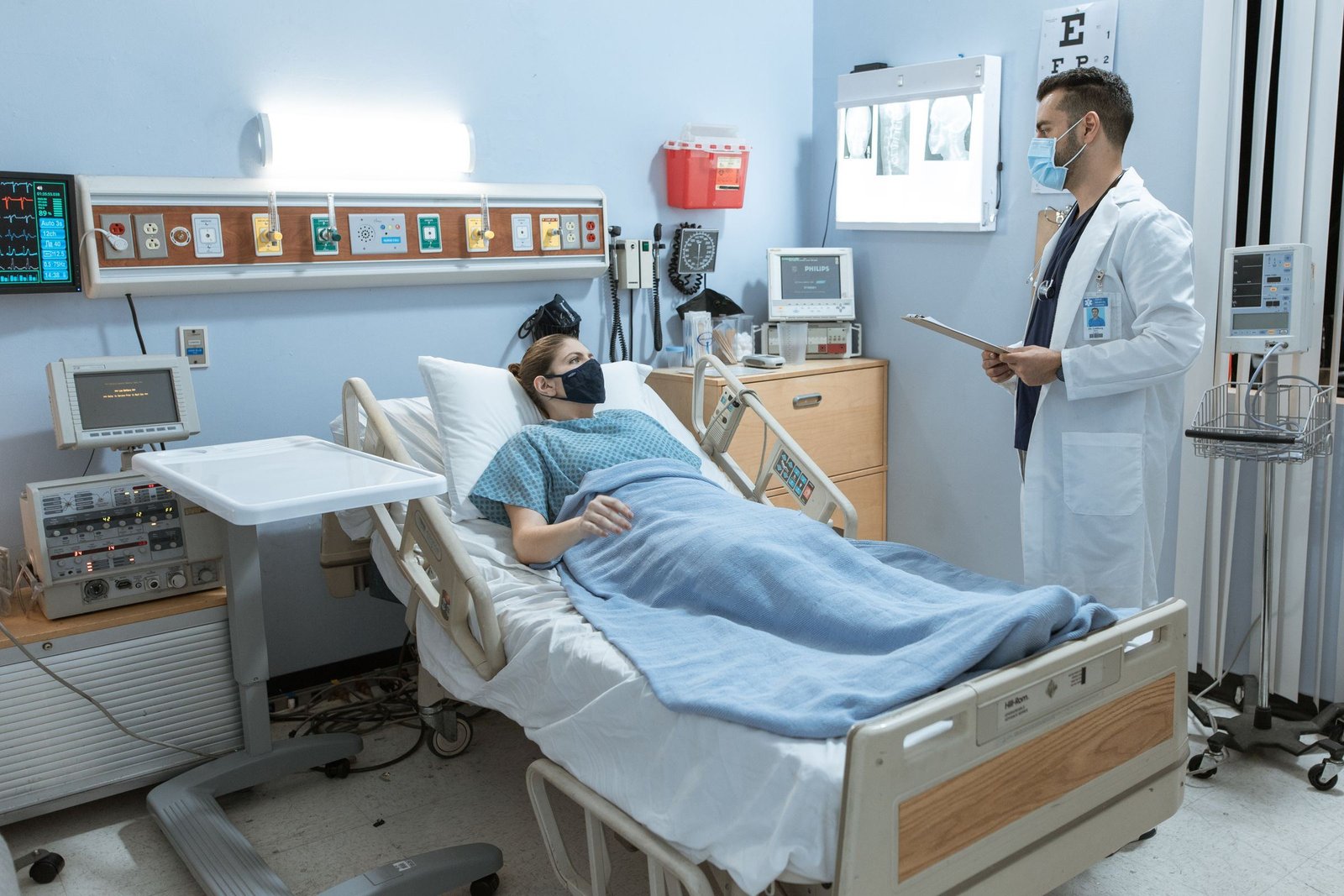


It is easy to talk to your doctor about getting detox help. State that you wish to stop using drugs and that you are afraid of withdrawal. Ask for an assessment and help setting up care before you try to quit by yourself. A good way to start is: “I use drugs and want help stopping. I’m worried about withdrawal. Can you assess what’s safe and help me arrange care?”
You do not have to say it perfectly. Just be honest about the drugs you use and how much. This guide shows how to get ready for that talk and what to expect. Learn more about finding drug detox care in our guide on finding drug detox care.
This site is a U.S. treatment directory. We are not a treatment provider. If you are in immediate danger, call 911 or go to the nearest emergency room. For suicidal thoughts, call or text 988.
Asking Your Doctor for Detox
Calling your doctor does not mean you must know the right treatment level. You can ask for an assessment and a referral. Your doctor will help you decide what comes next. Seeking help to stop drugs is a normal part of medical care.
988
call or text 24/7 for suicidal thoughts or emotional crisis[1]
- State your goal. Say, "I want help stopping my drug use."
- Name your concern. Tell your doctor you are worried about withdrawal symptoms.
- Ask for an assessment. Request a check-up to see what is safe for your body.
- Ask about next steps. Ask what care options or referrals are available for you.
If you are in immediate danger, call 911 or go to the nearest emergency room now. If you are having suicidal thoughts or an emotional crisis but are not in immediate danger, call or text 988 for support.[1]
How to Ask Doctor for Detox: Talking About Drugs
Do not stress about perfect recall. Give your doctor enough info to see your situation. They use it to plan safe care. Think of it as building a picture. It is not a test. If you are unsure, just say so.

Start by naming the substances you use. Share how often and how much you use, to the best of your memory. If you use more than one substance, say so clearly, including alcohol. Also share when you last used. This helps your doctor see where you are in the process.
Next, talk about how you are feeling right now. Share any physical discomforts or withdrawal symptoms you have. Let your doctor know if you had withdrawal before, especially if it was severe. Bring up past treatment attempts, even if they were not fully successful. Last, be open about real barriers like cost, transport, work hours, or childcare. Your doctor uses these details to build a plan that fits your life.
See our guide on managing work during detox if work is a big worry while you plan detox.
What to Share at the Appointment
Your ticks are saved on this device only.
When to Seek Emergency Care Now
In certain cases, you need help immediately. Skip the wait for a planned visit. If you or someone else has a medical emergency, call 911 or go to the nearest emergency room immediately. Do not try to treat these signs at home.
| Situation | Action |
|---|---|
| Immediate emergency: Seizures, severe confusion, hallucinations, a high fever or racing heart during withdrawal, trouble breathing, inability to wake, suspected overdose, or thoughts of suicide or self-harm. | Call 911 or go to the nearest emergency room now. For thoughts of suicide or self-harm, call or text 988 as well.[1] Slow or difficult breathing and inability to wake are signs of a possible opioid overdose.[2] Seizures and delirium are signs of severe alcohol withdrawal that warrant urgent medical attention.[3] |
| Suspected alcohol or benzodiazepine withdrawal or worsening symptoms, without emergency danger signs: You have a history of heavy use, are currently withdrawing, or your symptoms are getting worse, but do not have any of the emergency danger signs above. | Contact a medical withdrawal service for guidance. If any emergency danger signs appear, call 911 or go to the nearest emergency room now. |
| Mild, stable symptoms: You feel unwell but are stable, awake, and not showing signs of severe withdrawal. | Call your doctor for a same-day visit. If your doctor is closed, call ahead to confirm that urgent care can assess your specific symptoms. Do not delay seeking higher-level care if your symptoms worsen. |
| No current urgent symptoms: You are stable and ready to plan for stopping. | Book a doctor’s appointment. Talk about a safe care plan and ask about referrals during the visit. |
If you have had bad withdrawal before, tell your doctor clearly when you ask for help. Your history is vital information. This helps them gauge your risk and select the right level of care.
To learn more about warning signs, see our guide on signs of withdrawal emergencies. If you are anxious about ending alcohol use, check out the dangers of alcohol withdrawal.
Doctor Actions for Detox and Referral Spots
Often, the first visit focuses on finding out what you need. Treatment might not begin immediately. Your doctor looks over your health history. They will check your risk for withdrawal. They may help you find a specialist program. Detox is not handled directly by every doctor’s office. However, they can direct you to the correct spot.

- Tell your doctor. Say you are ready to stop using. Ask for help with withdrawal.
- Get checked. Your doctor will look at your health. They will check for withdrawal risks and other issues.
- Talk about next steps. Your doctor may send you to a detox center. Or they may suggest a higher level of care.
- Plan for long-term care. Set up follow-up visits. Make a plan for ongoing treatment for your substance use disorder.
Detox helps you handle physical symptoms safely. However, it is not the full picture of recovery. Experts say handling withdrawal alone is not enough.[6] It should connect to ongoing care for the root cause.[6] Primary care doctors can assist with diagnosis and referrals.[7] Our guide to drug detox vs rehab explains how those stages connect and what to expect from ongoing treatment.
Knowing how detox and rehab differ helps you see how they fit together. Getting a doctor referral for drug detox makes it easier to find substance use treatment. This link puts you in touch with providers familiar with your medical history.
Discussing Drug Use With Your Doctor Without Stress
Fearing judgment is a normal reaction when you bring up drug use with a doctor. Many people stay silent because of this fear. Yet asking for help is a sound health choice. Substance use disorders are treatable conditions. Your doctor is there to help you find the right next step.[8]
Perfect words are not needed to start this talk. A plain, honest opening often works well. You might say, “I’m nervous about judgment, but I want help. Can we look at care options?” This keeps the door open without forcing you to share every detail right away.
Privacy is a common worry. Confidentiality laws generally protect medical information, but limits exist. Rules can vary based on your age, safety issues, and how records or billing details are handled. Since these details rely on your specific situation, it is important to check how your practice handles privacy before you share sensitive information. You can ask about record storage, patient portals, or how billing info is shared. Do not assume every detail stays private in every context. Asking these questions first helps you feel more at ease and in control of the conversation.
Stigma can make it hard to speak up, but you are not alone in this. Using respectful, person-first language helps cut down on negative bias. NIDA suggests person-first phrasing, like “a person with a substance use disorder,” to focus on the individual.[9] Your doctor should treat you with the same respect and professionalism as they would for any other health issue.
How to Ask Doctor for Detox: Differences by Drug and False Beliefs
Withdrawal hits different people differently. The drug involved makes a difference. Your dose matters too. How long and how often you used it also plays a role.[10]

Since these things change, no single addiction is the hardest to stop. A doctor can check your specific situation. This helps more than ranking drugs against one another.
| Substance | Broad Withdrawal Concerns | Why Professional Assessment Helps |
|---|---|---|
| Alcohol | Can involve serious physical issues | Doctors can watch for safety and help you stay safe |
| Benzodiazepines | Can involve strong physical dependence | Medical care helps manage the change safely |
| Opioids | Often involves intense physical discomfort | Care teams can offer comfort and watch for problems |
| Stimulants | May involve fatigue, sleep changes, and depression[11] | Checks help tell withdrawal apart from other mental health issues |
| Other Drugs | Varies a lot by person and history | A doctor can make a plan just for you |
A lot of people believe a fast cleanse or item can detox the body. That idea is false. A 2015 review found no compelling research to support the use of "detox" diets for eliminating toxins from the body.[12] Your body clears substances over time, and the speed varies based on the drug and your health history. Do not use commercial detox products or attempt to withdraw without medical guidance, as this can be dangerous. If you worry about withdrawal risks, talk to a doctor. Or ask for a referral to a treatment program. They can look at your history and make a safe plan.
Check our guide on what to expect in opioid detox to learn more about one common path.
Inside a Medical Detox Stay
A health check kicks off medical detox. This helps your body go through withdrawal in a safe way. The doctor checks your past and any risks. Severe withdrawal before plus serious health issues can boost the risk of withdrawal complications.[13]
Next, the care team chooses your setting. It might be a hospital, a facility, or a clinic. Your assessed needs and risks drive the choice for withdrawal management.[3] Clinicians build the treatment plan on multidimensional factors that shape disease severity and prognosis. It is tailored to your specific needs.[14]
Health check
A clinician reviews your history and current use. They decide on the safest level of care.
Withdrawal care
You get monitoring and support. The goal is to manage symptoms and keep you stable.
Next steps
The team links you to ongoing treatment. This supports your long-term recovery.
Detox length changes from person to person. Your health and the substance matter. How bad withdrawal gets turns on the drug type, dosage, and how often and how long you used it.[10] Alcohol withdrawal can become life-threatening and may need medical care.[4] Cutting off benzodiazepines fast can trigger serious withdrawal complications, such as seizures.[5] You may also face depression, sleep changes, and fatigue from stimulant withdrawal.[11]
More details sit in the FAQ below. Please do not try to handle severe withdrawal alone at home. Follow the plan from your healthcare provider every time.
Getting Support When You Cannot Wait for a Visit
Are you unable to contact your doctor at this moment? There are still ways to find support for drug withdrawal.

The price of care changes based on the provider and your insurance. FindTreatment.gov is a federal site to search for substance-use treatment options.[15] Local HRSA-supported health centers are another choice. Their fees shift to match your ability to pay.[16]
What Is Your Next Step?
This self-check is for information only and isn't a diagnosis. It cannot determine whether detox is needed.
Frequently Asked Questions
How do they do a medical detox?
Care starts with a check-up. Doctors look at your health history. They check for past bad withdrawals or other health issues. These factors can raise the risk of complications.[13] Based on this, they pick the right care for you.
How do I know if I need to detox, and what signs should I watch for?
Ask a clinician to check your needs. Do not guess from a symptom list. Tell your doctor about past severe withdrawals. Also share any serious health problems. This helps them plan safe care.[13] If you have danger signs like seizures, get emergency help now.
Can the hospital give you a detox?
Go to the ER if you are in danger. That is the right place for urgent care. For planned care, ask the hospital first. Not all hospitals offer these services. A referral line can also help you find options.
How long does detox take?
There is no one size fits all answer. Acute withdrawal is just the start. It is not the same as full recovery. Your team can talk through your specific timeline.
What drugs are used for detox?
One drug does not fit everyone. Methadone, buprenorphine, and naltrexone are approved for opioid use disorder.[17] Talk with your prescriber about what works for you. Do not try to treat yourself at home.
What is the fastest way to detox my body?
No quick cleanse makes quitting safe on your own. A 2015 review found no strong proof that "detox" diets remove toxins.[12] Skip commercial products and see a clinician instead. They can give you safe, real advice.
What is the hardest addiction to quit?
You cannot rank drugs as "hardest" for everyone. Each person’s experience is different. Care plans look at many factors for each patient.[14] An individual check-up gives you the clearest path forward.
What should I do if I need help before I can get a doctor’s appointment?
Call SAMHSA’s helpline or use FindTreatment.gov for info. If finding a doctor is hard, use HRSA’s tool to find local clinics.[18] If you are in immediate danger, call 911 or go to the ER now.