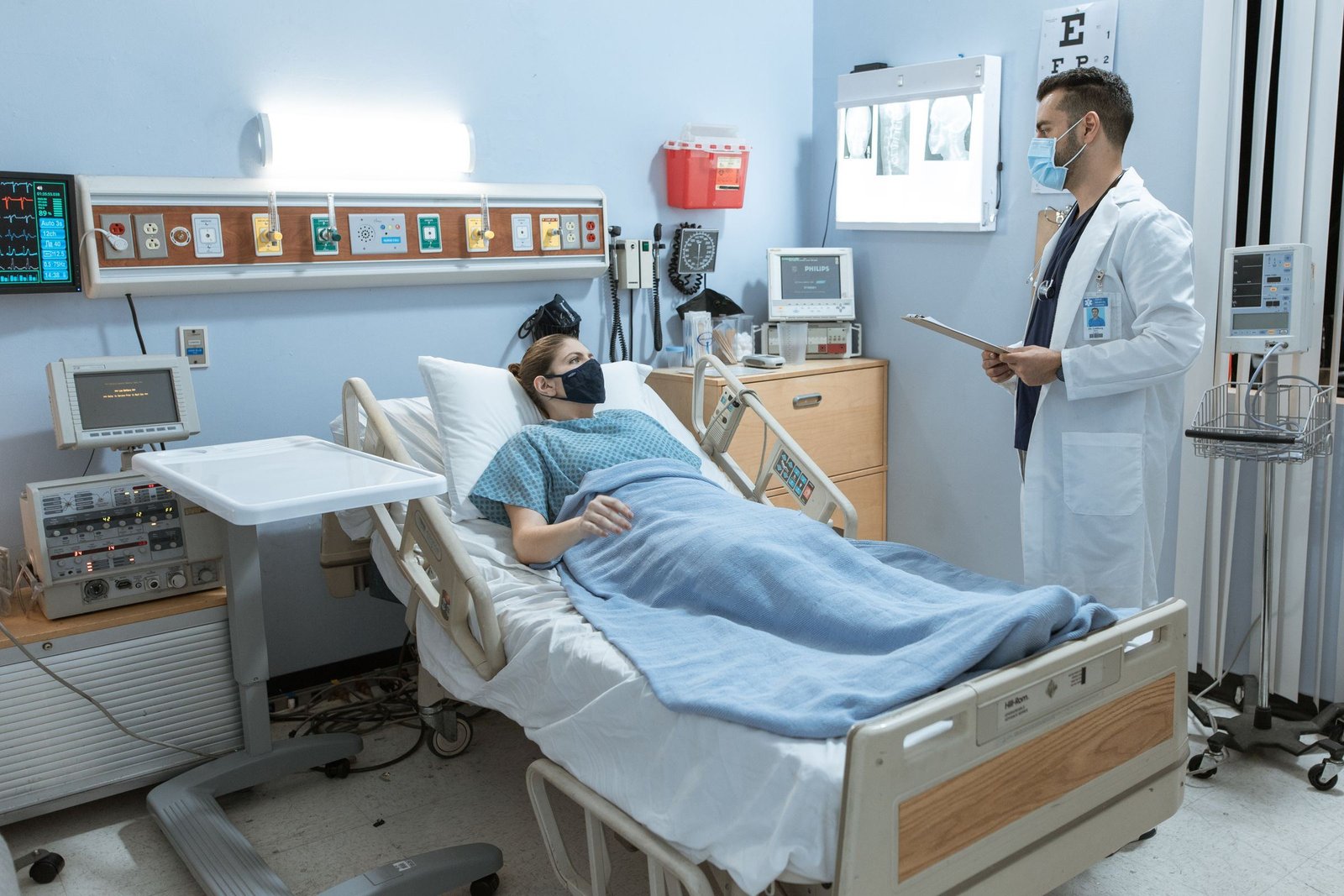


A drug withdrawal emergency means calling 911 or going to the ER now. Do this if you see a seizure, severe confusion, trouble waking or breathing, or suspect an overdose. You do not need to know the drug name first.
If someone is in danger or may hurt themselves, call 911. If you have suicidal thoughts but are safe, call or text 988.
If you have no emergency signs, speak with a doctor soon. They can help you find the right care. Our site is a treatment directory. We do not act as a treatment provider. Check our guide to finding drug detox care for further steps.
Drug Withdrawal Emergency: Reaching the ER Safely
Do not drive yourself to the hospital.Call 911 now for a seizure, severe confusion, hallucinations, a high fever or racing heart during withdrawal, or any suspected overdose.
During alcohol withdrawal, seizures, fever, severe confusion, hallucinations, or irregular heartbeats require emergency care.[1] Stopping benzodiazepines suddenly after regular use can cause serious, potentially life-threatening withdrawal, including seizures or delirium.[2] For suspected opioid overdose, inability to wake or slow or shallow breathing are signs; call 911 now.[3] Do not wait to identify the drug.
- Spot the danger. Watch for the emergency signs listed above.
- Call 911 now. Follow the dispatcher's instructions and stay with the person.
- Tell responders what happened. Mention possible withdrawal or overdose.
For thoughts of suicide or self-harm, call or text 988 now. If the person may act soon or is in immediate danger, call 911 now.
What Is the Safest Next Step?
This self-check is for information only and isn't a diagnosis. Any danger sign means emergency help now.
Serious Drug Withdrawal Emergency Signs Change with the Substance
Each person's treatment needs are checked one by one, looking at biomedical, psychological, and social factors.[4] The time of day should not be used to judge if symptoms are safe.

[5] Alcohol withdrawal can be life-threatening.
6–24 hours
after stopping or cutting back, alcohol withdrawal symptoms typically begin[6]
8–48 hours
after the last drink, alcohol withdrawal seizures can occur[6]
72–96 hours
after the last drink, alcohol withdrawal delirium often appears[6]
These time frames are estimates for alcohol withdrawal only. They do not predict what will happen in an individual case.[6] Do not treat them as a safe waiting period. Seek help before a specific symptom appears.
For any substance, call 911 or go to the nearest emergency room now for danger signs, including seizures, severe confusion, hallucinations, a high fever or racing heart during withdrawal, signs of an overdose, or immediate danger from suicidal thoughts. If you have suicidal thoughts but are safe and not in immediate danger, call or text 988.
| Substance | Broad Risk Considerations | Safe Next Step |
|---|---|---|
| Alcohol | Seizures and delirium can occur during withdrawal.[6] | Call 911 or go to the nearest ER for danger signs. |
| Benzodiazepines | Withdrawal can be severe and potentially life-threatening.[2] | Without danger signs, contact a doctor promptly. |
| Opioids | Withdrawal can include vomiting and diarrhea.[7] | Without danger signs, contact a doctor or treatment program. |
| Stimulants | Suicidal thoughts without immediate danger: call or text 988. | For immediate danger or risk of acting, call 911 or go to the nearest emergency room now. |
Talk to a doctor soon if the person is pregnant, uses more than one drug, has a big health issue, or feels worse. Do this only when no danger signs are there. If you see danger signs, follow the emergency steps above. Learn more in our guide on life-threatening alcohol withdrawal signs.
Withdrawal or Overdose? Handle Doubt as a Sign to Move Now
If you are unsure whether someone is experiencing withdrawal or an overdose, treat the situation as urgent. Decide what to do based on the warning signs you see. Do not count on timing alone.
| Possible Withdrawal Signs | Possible Overdose or Other Emergency Signs |
|---|---|
| Alcohol withdrawal can begin after a person stops or substantially reduces alcohol use.[6] | Inability to wake up[3] |
| Opioid withdrawal can cause vomiting and diarrhea.[7] | Slow or shallow breathing[3] |
| Unresponsiveness or trouble breathing[3] | |
| Seizures, severe confusion, hallucinations, high fever, or racing heart[1][6] |
Action: Reach out to a clinician or detox service about withdrawal care. Do this quickly if the person is stable and has no danger signs. If you see signs of overdose, call 911 or go to the nearest emergency room now.[3]
During suspected withdrawal, seizures, severe confusion, hallucinations, a high fever, or a racing heart are danger signs.[1][6] If any occur—or the person is unresponsive, cannot be woken, or has slow or shallow breathing—call 911 or go to the nearest emergency room now.[3] These signs require emergency evaluation regardless of whether withdrawal or overdose is suspected.
If you suspect an opioid overdose, call 911 right away.[3] If naloxone is available, give it and repeat it as directed by the product or dispatcher; this does not replace calling 911. Wait for help while following the dispatcher’s instructions. Act first. Do not stop to name the substance.
Our guide on distinguishing withdrawal from overdose offers more detail on how these conditions differ. You can also review our guide on opioid overdose signs to learn more about critical warning signals.
ER vs. Medical Detox: Which Is Right for You?
Where you go depends on how serious the situation is. The ER deals with risks that can end a life right away. Medical detox is for people who are stable and need watchful care.

- Check for danger signs. If you see seizures or severe confusion, call 911 or go to the ER now.
- Call a clinician or program. If there are no danger signs, call a doctor or detox program. Describe the symptoms and ask if they can help.
- Confirm medical support. Before you travel, check what medical help is available at the facility.
- Watch for changes. If symptoms get worse, stop and get emergency help right away.
| Feature | Emergency Room | Medically Supervised Detox |
|---|---|---|
| Purpose | Fixes urgent medical issues and stabilizes critical conditions[8] | Manages withdrawal under supervision as part of broader care[9] |
| When to Go | When danger signs are present or the person is unstable | When the person is stable and a clinician confirms the program fits their needs[4] |
Go to the ER when you face an emergency. Hospitals must screen and stabilize anyone with an emergency condition, even if they cannot pay.[8] Expect quick safety checks and stabilization during emergency addiction care.
Medical detox stands apart from other care. Clinicians watch over patients to handle withdrawal symptoms. It is not always the same as ongoing treatment for substance use disorders.[9] Guidelines state that withdrawal care should lead to continuing treatment, not stand alone.[9] Providers rely on individual assessments to pick the right care level.[4] Talk to a provider before you arrive to see if they can manage your specific symptoms. Browse our list of medically supervised detox programs to find local options.
Medical Detox Near Me: How to Find Good Care
Picking the right care matters a lot. If you have urgent symptoms, go to the emergency room or call 911 now. Do not sit and wait for a directory search. Do not sit and wait for an insurance approval.
In non-emergency cases, reach out to your doctor or health plan. SAMHSA’s National Helpline is another option. It offers free and confidential help.[10] You can also use FindTreatment.gov to find services in the U.S.[11]
Tell the program about your current symptoms and which substances are involved. Ask if they can safely manage your needs. Check what their emergency plans and medical staff look like. Also, ask how they support ongoing care after detox. If you have questions about an exposure, call Poison Control at 1-800-222-1222.[12]
Questions to Ask a Medical Detox Program
Your ticks are saved on this device only.
Our tool can also help you find local programs that match your needs. search for nearby medical care
Pills, Calming Symptoms, and Home Fixes That Are Not Safe
A clinician checks your body to make a plan. Your health and the drug you used shape that plan. It often includes supportive care and monitoring. Treatment choices rest on an individualized assessment of your specific needs.[4]

Do not mix up drugs for ongoing substance use disorder treatment with those for acute withdrawal symptoms. Methadone, buprenorphine, and naltrexone are FDA-approved for opioid use disorder.[3] Clinicians may also use lofexidine to help lower opioid withdrawal symptoms during discontinuation.[13] Doctors can prescribe meds to handle alcohol withdrawal symptoms and make the process safer.[5] This management is part of broader treatment, not a standalone cure.[9]
| Substance | What clinicians may consider | What you should not try on your own |
|---|---|---|
| Alcohol | Supervised medication and monitoring to make the process safer[5] | Stopping abruptly without medical supervision or using unapproved remedies |
| Benzodiazepines | Clinician-managed care plans tailored to individual needs | Attempting a home taper or adjusting doses without professional guidance |
| Opioids | FDA-approved medications for opioid use disorder, such as methadone, buprenorphine, and naltrexone[3] | Using leftover prescriptions or mixing substances to ease discomfort |
| Stimulants | Assessment and supportive care to manage symptoms | Relying on over-the-counter products or supplements without medical advice |
Resting and drinking water can help ease symptoms while you look for care. But these steps do not take the place of medical oversight. Withdrawal can get worse fast. Do not use over-the-counter products or supplements to handle symptoms without medical advice. A doctor or pharmacist can tell you what is safe for your case. Do not try to mix or guess at treatments alone.
Does Benadryl work for withdrawal symptoms? There is no proof that it is safe for this use. OTC drugs can cover up serious signs. They may also react badly with other medications. Check with a licensed pro before you take any new item.
Never wait for a home fix if you need emergency care. Call 911 or go to the ER if you are in danger. Bring up any medicine questions with your doctor first. They know your health history best.
ER Care for Drug Withdrawal Emergency: Key Points for Staff
Staff at the ER focus on keeping you safe. They look at your vital signs and ask about symptoms. Tests are chosen based on what they find. There is no one test for all withdrawal types. Care depends on your health history and symptoms.
Being open helps them care for you safely. If you do not know the substances, tell them. Do not hold off on help until you have full details.
- State the main concern. Tell the nurse or doctor you worry about drug withdrawal or an overdose.
- Share what you know. List substances you think are involved and when you last used them.
- Mention other factors. Note any prescriptions, other drugs, pregnancy, or health issues.
- Ask about next steps. Ask what they found and what care they suggest next.
What to Tell Emergency Staff
Your ticks are saved on this device only.
Understanding ER steps for withdrawal can ease stress in a hard time. Knowing what to expect in emergency addiction care helps you speak up for a loved one or yourself. If you go from the ER to a recovery setting, see our guide on what happens during detox intake.
Frequently Asked Questions
What should I give someone who is withdrawing?
Do not give alcohol, drugs, or other meds. Do not use over-the-counter remedies for withdrawal. Stay nearby if it is safe. Help the person get medical care. Call 911 or go to the ER now for danger signs. This includes seizures, severe confusion, or a fast heart rate. If you are unsure what was taken, call Poison Control. Do not delay emergency care.
Can Benadryl help with withdrawal symptoms?
Do not use Benadryl for withdrawal without advice. Talk to a clinician or pharmacist first. It can be risky with alcohol or sedatives. Other substances may also cause issues. Get professional advice before adding any new medicine.
Are panic attacks a symptom of withdrawal?
Panic-like feelings can happen during withdrawal. They do not prove a panic disorder exists. New or bad symptoms need a medical check. Use emergency care for danger signs like confusion. Also go to the ER for hallucinations.
What medicines are used to treat withdrawal symptoms?
Treatment depends on the substance and health status. A clinician may use supervised meds and monitoring. The FDA approved lofexidine for adult opioid withdrawal.[13] Do not take or give meds without guidance. Never use someone else’s prescription.
What is the hardest addiction to quit?
There is no single answer for everyone. How hard it feels varies by person. Medical danger is a different issue than difficulty. A clinician can check your specific risks and needs.[4] They look at your health and support system too.
What drug has the most severe withdrawal symptoms?
No universal ranking predicts your specific risk safely. A clinician can check your situation and pick the right care setting.[4]
Why is withdrawal worse at night?
Symptoms may feel more noticeable at night when things are quiet or there are fewer distractions, but what contributes varies by person. The time of day is not a reason to delay care. Vomiting and diarrhea are common opioid withdrawal signs.[7] For seizures, severe confusion, hallucinations, a high fever or racing heart during withdrawal, call 911 or go to the nearest ER now.[1] Signs of an overdose, such as being unable to wake or slow or shallow breathing, require a 911 call now.[3] For thoughts of suicide or self-harm, call 911 or go to the nearest ER now; for suicidal thoughts, call or text 988. For worsening symptoms without these danger signs, contact a clinician.