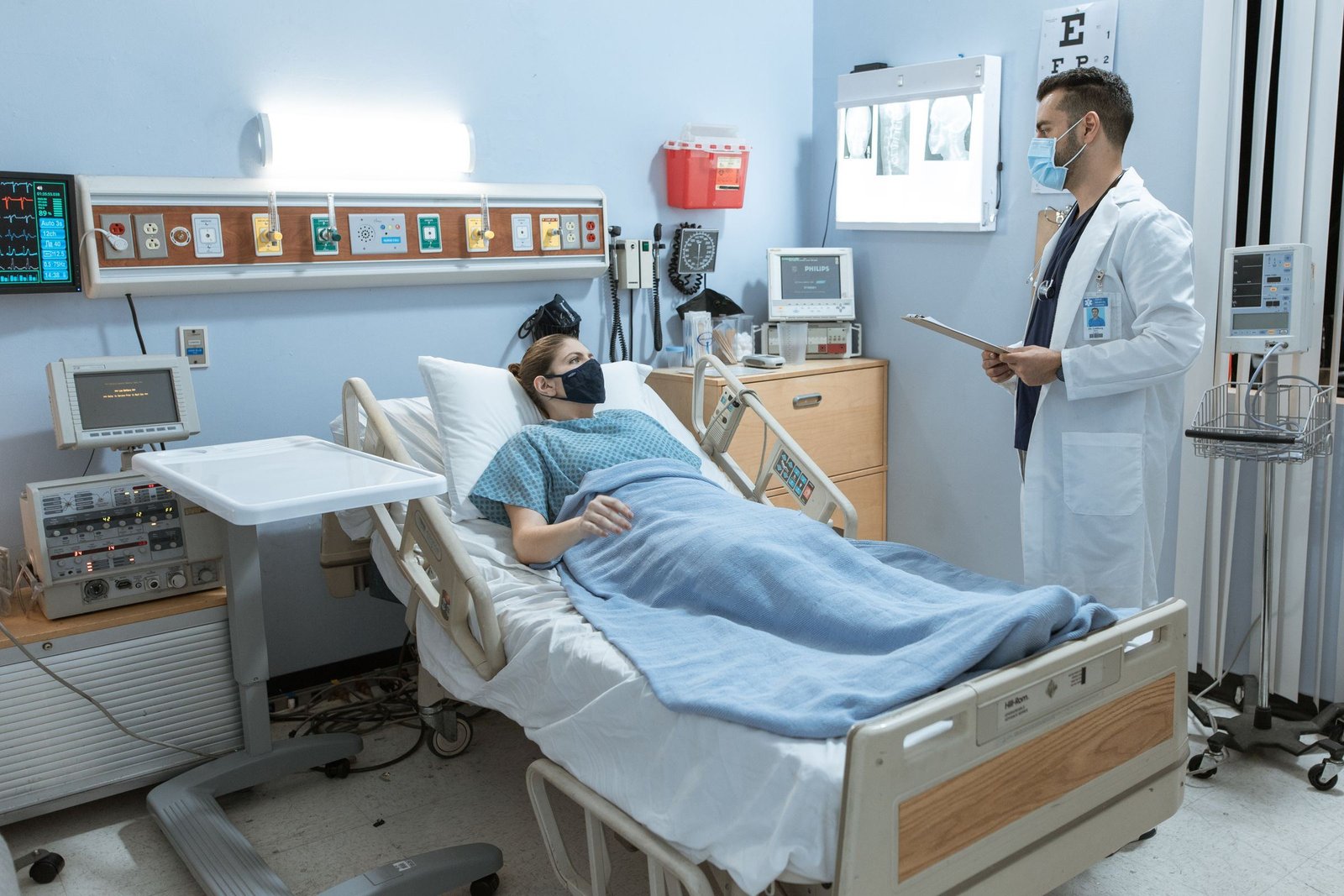


There are many choices for teen alcohol rehab. Care can happen in outpatient settings, intensive outpatient programs (IOP), partial hospitalization (PHP), residential treatment, or medically supervised withdrawal. A professional check helps you find the right place. Rules on age and consent laws differ from state to state.
We operate a U.S. treatment directory and are not a provider. For extra help, read our guide to finding treatment for specific needs. Call 911 or go to an ER now for alcohol poisoning or severe withdrawal.
Teen Alcohol Rehab: How Teens Get Treated
Care for teens comes in different levels. You can pick from outpatient counseling, Intensive Outpatient Programs (IOP), or Partial Hospitalization Programs (PHP). Residential treatment is another path. Medically supervised withdrawal care helps when it is needed. A professional can look at your teen’s needs to find the right fit.
Higher risk
of developing alcohol use disorder later in life for those who start drinking before age 15[1]
Interference
with brain development caused by alcohol use during adolescence[1]
They do not show how many students need treatment. Nor do they measure clinical need for each student.
Drinking in the teen years can disrupt brain growth.[1] A young person’s brain is still developing. Getting help from a professional aids a healthy recovery.
What to Do When Your Teen Uses Alcohol
Your main goal is to keep your teen safe if they have been drinking. Take these steps in this order.
- Check for immediate danger. Look for signs of alcohol poisoning, such as confusion, vomiting, seizures, slow or irregular breathing, or unconsciousness.[2] An alcohol overdose can impair the parts of the brain that control breathing, heart rate, and body temperature.[2]
- Call 911 if you suspect an overdose. Do not wait for every warning sign to appear before calling.[2] If your teen is hard to wake up, has a seizure, or is vomiting while confused, call 911 now.
- Stay with your teen. Keep them on their side to help prevent choking if they vomit. Do not leave them alone while you wait for emergency responders.
- Talk when they are sober and safe. Once the immediate danger has passed, listen without shaming. Ask what happened and how they are feeling. This is not the time to lecture; it is the time to connect.
- Arrange professional guidance. Contact your teen's pediatrician or an adolescent-health professional to discuss an assessment. If your teen may be dependent on alcohol, do not try to manage withdrawal at home. Seizures, severe confusion, hallucinations, a high fever, or a racing heart during withdrawal mean you should call 911 or go to the emergency room now.[3]
Evaluating Needs and Selecting a Care Level
Get a professional check first. Your teen’s pediatrician, an adolescent-health clinician, or a behavioral-health professional can do it. A qualified treatment provider is also a good choice. Read our guide on what to expect at an assessment to get ready.

The check helps find the right care. It examines safety and drinking habits. It checks for withdrawal risks and health issues. Life at home and in school gets reviewed too. A screening tool does not make a diagnosis. It kicks off a chat with a clinician.
The table below compares common teen options. Each care level provides a distinct type of support. Schedules and services differ from one program to another.
| Level of Care | What It Generally Involves | Lives at Home? | What Families Should Ask |
|---|---|---|---|
| Standard Outpatient | Weekly therapy and counseling; least intensive | Yes | Does the teen have enough stability to attend weekly sessions? |
| Intensive Outpatient (IOP) | Several hours of therapy per week; more structure than standard outpatient | Yes | How many hours per week are required? What is the attendance policy? |
| Partial Hospitalization (PHP) | Half-day treatment programs; more intensive than IOP | Yes | How many days per week is the teen in care? Is there a medical component? |
| Medically Supervised Withdrawal | Medical monitoring to manage acute withdrawal symptoms | Varies | How will this connect to ongoing treatment after withdrawal? |
See our guide to levels of alcohol care for more on these choices. Withdrawal care manages acute symptoms. However, it is not treatment for alcohol use disorder by itself. It must connect to ongoing care.[4]
What Is a Reasonable Next Step?
This self-check is for information only and isn't a diagnosis. No answer pattern can rule out danger. If you see signs of poisoning or severe withdrawal, call 911 or go to the emergency room now.
Steps to Match Teens with the Right Rehab
But not all centers take minors. You must confirm age criteria and admission steps directly with the provider.
Picking the right alcohol treatment options for teens is not just about age. Care should fit the developmental needs of adolescents.[5] Programs also cover educational and other developmental needs in a broader treatment approach.[5] NIDA notes that family involvement is an important part of adolescent substance-use treatment when appropriate.[5] AAP guidance suggests screening adolescents for alcohol and other substance use in clinical care.[6]
To learn how to find age-appropriate treatment, use the checklist below when you call potential programs. You can also review our guide on questions to verify program fit for deeper insight.
Questions to Check Before Choosing a Teen Program
Your ticks are saved on this device only.
Always ask the provider what specific consent, privacy, and caregiver-involvement rules apply to your teen and situation. Policies vary widely. Get clear answers from the program before assuming any confidentiality or access rights.
Helping a Reluctant Teen
It is common for a teen to resist help. This reaction does not mean they do not care about their health. It often means they feel judged, scared, or out of control. Your goal is to keep the door open, not to force it shut.

Have a Gentle Chat
Choose a calm time when neither of you is angry or high. Share what you have seen, but do not use labels. Say something like, "I noticed you've been skipping practice and your grades have dropped." Then ask how they see it. Talk less and listen more. If the conversation turns into an argument, it is okay to pause and try again later.
Share Simple Steps
You can offer a few low-pressure next steps. Ask if they are open to discussing their health with their pediatrician. You might also propose seeing another clinician or confiding in a trusted adult, such as a coach or school counselor.
You can still get advice if your teen is not ready for these meetings. The American Academy of Pediatrics says pediatricians should screen for substance use and give brief interventions or referrals.[6] Call your teen's doctor for tips on helping at home, even if they are not ready to be seen yet.
Make Safe Limits
Work on finding professional help while you set clear safety rules. These rules are protections, not punishments.
- Do not ride with a driver who has had drinks.
- Make sure you can reach a trusted adult anytime.
- Lock away alcohol so it is out of reach.
State the results of breaking these rules in a calm, steady way. Do not shame, threaten, or pull privileges instead of offering care. Say: “I set these limits because I care about your safety.”
Be Curious, Not Pushy
Motivational interviewing is a way to talk that relies on open questions and curiosity. Instead of saying, "You need to stop drinking," try asking, "What do you think is the hardest part about cutting back?" This approach helps a person explore their own reasons for change. This stops the chat from becoming a power struggle.
Building a link with your teen is the first part of helping them with alcohol. Hold onto your patience. Keep safety in mind. Then watch for the right time to call in a professional.
Teen Alcohol Rehab: Steps During and After Care
Each teen's journey varies, yet the overall steps tend to match. The aim is to grasp the issue, build skills, and keep support going after the program ends.
Assessment and goals
The care team learns about your teen's history, health, and family situation. Together, you set specific goals for treatment.
Treatment plan and therapy
Your teen takes part in individualized care. This often includes behavioral therapies, which are a common approach in adolescent substance-use treatment.[5] Family members may also join sessions, as family-based interventions are a recognized part of research on treating adolescents.[7]
Progress review and plan adjustments
The team checks in regularly to see what is working. They adjust the plan if needed to keep your teen on track.
Transition planning
The team works with your teen, your family, and sometimes the school to prepare for life at home. This is a key step in moving from intensive care to less intensive support.[5]
Follow-up and continuing support
After discharge, your teen continues to receive care. This helps monitor progress and provide ongoing support during recovery.[5]
Treatment is not a single event. Leaving the program starts a longer process. NIDA guidance says providers should help patients move smoothly into continuing care after intensive treatment ends.[5]
Getting Ready for Home and School
Set a clear plan for what follows when treatment ends. Sit down with your teen to talk about what to do if they start drinking again. Agree on steps you will take together, such as calling the care team or going to an extra support meeting.
Make a plan for returning to school, too. Ask teachers or counselors how to help with stress or triggers in a kind way. Sticking to a steady routine at home can help keep the gains from treatment. Our guide on continuing care after discharge covers this step-down process in more detail.
Picking and Covering Costs for Teen Alcohol Rehab
The best way to find the right teen alcohol rehab is to search for programs that serve adolescents. After that, check the details straight with each provider. Teens are not treated by every facility. Before you choose, always check age limits and the services offered.

- Search for programs that serve adolescents. Look for centers that list services for teenagers. You can search for teen-friendly programs to see options near you.
- Contact each program to verify details. Call to ask about current admission rules and the check-up process. Ask what services are available. Ask how they involve families and help with school during treatment.
- Confirm coverage with your insurer. Call your insurance plan using the number on your card. Ask if the provider is in-network. Ask if you need approval first. Ask what your expected costs will be.
Many health plans with these benefits must meet federal mental-health and substance-use parity requirements.[8] Each plan follows different rules. You must check your specific benefits. If costs remain a concern, our guide to sliding scale alcohol treatment explains how to find affordable care options.
If you need help finding a referral, the SAMHSA National Helpline is a free, confidential information and treatment-referral service.[9] If you or your teen are in immediate danger, call 911 or go to the nearest emergency room right away. If you are in an emergency, do not use a referral line.
Frequently Asked Questions
Can a 15 year old go to rehab?
Possibly. Some programs treat teens, but you must check their age rules. Contact the provider to confirm their admission process. Consent and privacy laws vary by state.[10] Ask how much caregiver involvement is expected.
How does rehab work for teens?
A professional checks the teen's needs and safety first. They then build a treatment plan. This often includes therapy and family sessions. Details vary by program and teen.
How to help an alcoholic who doesn't want help?
Speak calmly and share your concern. Offer one small first step, like a doctor's visit. Do not demand an immediate commitment. You can call a clinician for advice on your next move. Ask if a family-based approach might fit your situation.
What happens if a 13 year old drinks alcohol once?
Check for danger signs first. Call 911 now if the teen has trouble waking, seizures, or slow breathing. One drink does not define the level of care needed. Seek professional guidance after ensuring immediate safety.
Does insurance cover teen alcohol rehab?
Coverage depends on your plan and the program. Check network status and costs with both parties. If the teen has Medicaid, ask about EPSDT services. You can check insurance coverage for teens to see local options. Note that alcohol use disorder is defined by specific criteria.[11]
What happens after a teen finishes alcohol treatment?
Follow the continuing-care plan carefully. Keep all follow-up appointments. Work with home and school teams to build support. If drinking starts again, call the care team right away. Do not view this as a failure of treatment.