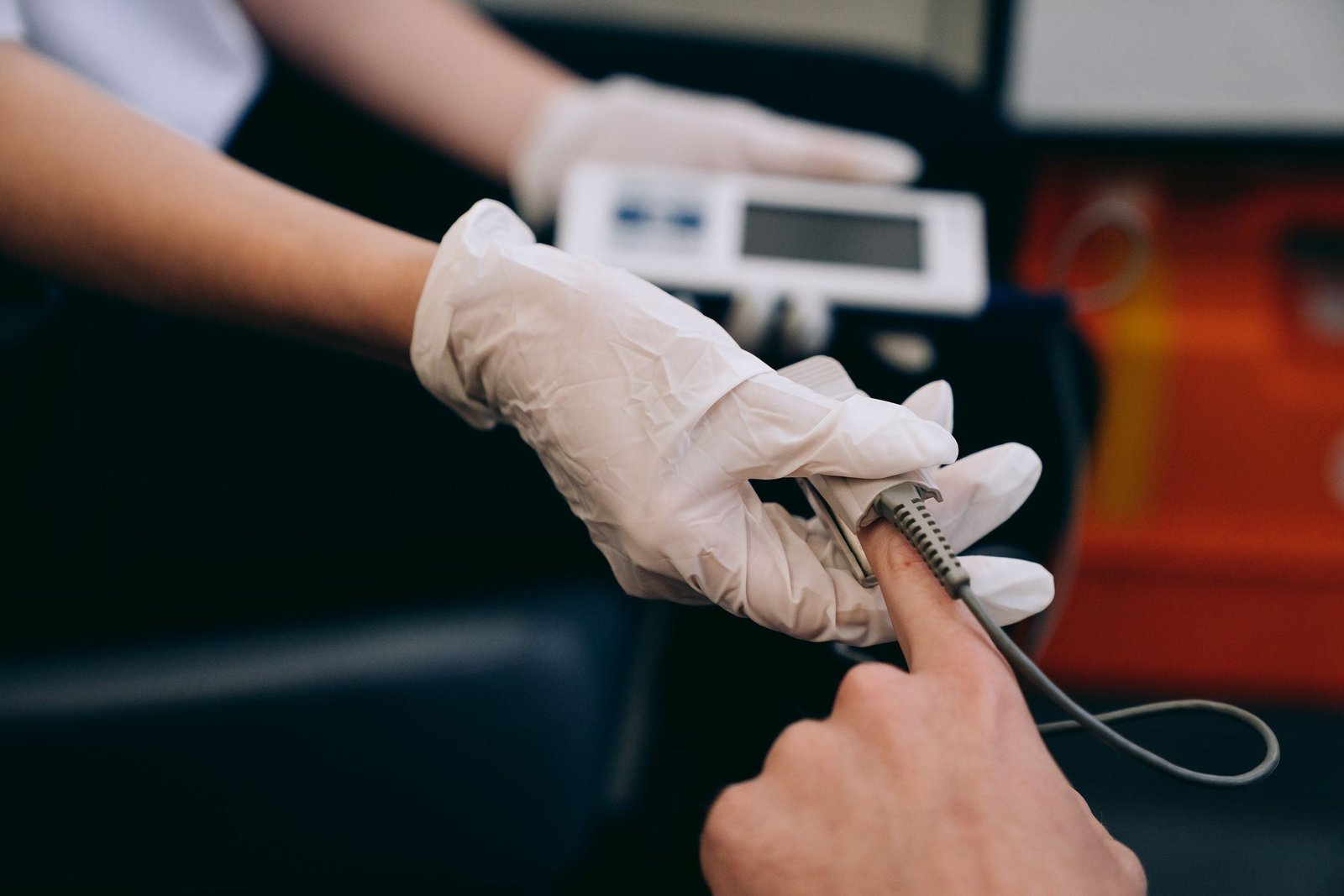

A sedative overdose during pregnancy is a medical emergency. Call 911 or go to the nearest emergency room now. Do not wait to find out exactly what was taken.
An overdose can cause deep sleepiness and slow breathing. These effects are dangerous for the pregnant person. The risks to the pregnancy depend on the substance, the amount, and the person's health.
This guide focuses on acute overdose emergencies. For broader information on this class of drugs, see our overview of benzodiazepine overdose. We are a U.S. treatment directory and publisher, not a treatment provider. We do not provide medical care or claim medical review of this content.
Respond to a Suspected Overdose Now
If you think a pregnant person has taken too many sedatives, act immediately. Do not wait to identify the exact drug or see if symptoms get worse. Call 911 or go to the nearest emergency room now.
911
for emergency medical help[1]
1-800-222-1222
for free, confidential Poison Control guidance 24/7[2]
- Call 911 or go to the nearest emergency room now. Tell the dispatcher if the person is unresponsive or having trouble breathing.[1] Mention that they are pregnant so responders can prepare appropriately.
- Stay with the person. Follow the dispatcher's instructions closely. If they are unconscious but breathing, place them on their side to keep their airway clear. Do not leave them alone until help arrives.
- Contact Poison Control. Call 1-800-222-1222 for guidance on exposure, but only if doing so does not delay calling 911 or going to the nearest emergency room now.[2] Experts there can advise on specific substances while you wait for paramedics.
- Share what you know. Tell responders what drugs were taken, how much, and when, if you know. Do not wait to find pill bottles or gather every detail before leaving for the hospital. Do not induce vomiting unless a poison expert or clinician tells you to do so.[3]
For a fuller bystander-response sequence, see our guide on steps for suspected sedative overdose.
Recognize Possible Sedative Overdose Signs
You do not need to be sure it is an overdose before acting: if you suspect one based on any sign below, call 911 or go to the nearest emergency room now. Signs can look different depending on the substance and whether other drugs or alcohol were taken too.[4]
| Possible sign | Why it matters |
|---|---|
| Extreme drowsiness or trouble waking up | Sedatives slow the brain, making it hard to rouse someone.[5] |
| Confusion or slurred speech | The brain is struggling to process information clearly.[5] |
| Poor coordination or stumbling | Muscles may feel weak or unsteady, increasing fall risk.[5] |
| Slow, shallow or irregular breathing | Serious toxicity can depress breathing, which is life-threatening.[5] |
| A seizure | Call 911 or go to the nearest emergency room now. |
If the person is unresponsive, has abnormal or slowed breathing, or has a seizure, call 911 or go to the nearest emergency room now. Do not wait to see if they improve.
What an Overdose Could Mean for a Pregnancy
A sedative overdose is a medical emergency that affects both the pregnant person and the pregnancy. The most immediate danger to the baby often comes from the mother’s lack of oxygen if her breathing slows or stops. This is why emergency teams focus first on keeping the pregnant person stable and breathing well. Once she is stable, doctors can check on the baby’s heart rate and movement.

It is important to understand that every overdose is different. There is no single outcome that applies to everyone. The effect on the pregnancy depends on many factors, including how much was taken, how quickly treatment started, and what other substances might be involved. Doctors cannot promise a specific result until they have assessed the situation in the hospital.
You may read about risks associated with taking sedatives or opioids as prescribed during pregnancy. These studies look at long-term or routine use, which is very different from an acute overdose. Do not use those statistics to guess what will happen after an overdose. The clinical picture in an emergency is unique to that moment and requires individualized care.
For example, when opioids are involved, outcomes for newborns vary widely based on the specific drug, how long it was used, and how fast the baby’s body clears it.[6] An overdose is a sudden event, not a pattern of use, so these factors play out differently in an emergency context.
Because of this uncertainty, trust your care team’s assessment rather than online estimates. They can monitor your vital signs and the baby’s status closely. If you are worried about your pregnancy after an incident, tell your obstetrician or midwife right away so they can arrange appropriate follow-up checks.
Why the Sedative and Exposure Details Matter
Not all sedatives affect the body in the same way. Because different drugs work differently, doctors need to know exactly what was taken to decide how to treat you. This table compares common types of sedatives. It shows general information about overdose symptoms and pregnancy exposure. It does not cover every medicine, and it does not predict exactly what will happen in your specific case.
| Sedative Class | Acute Overdose Concerns | Pregnancy Exposure Information | Details Clinicians Need |
|---|---|---|---|
| Benzodiazepines | Can cause serious central nervous system depression, including impaired consciousness and breathing.[7] | Studies on prescribed use show mixed results regarding birth defects, but these findings do not automatically apply to an overdose situation. | The exact drug name, strength, amount taken, and time of ingestion. |
| Barbiturates | Can cause profound central nervous system depression and respiratory or cardiovascular complications.[8] | Data on overdose outcomes during pregnancy is limited compared to data on regular therapeutic use. | Whether other substances were taken at the same time. |
| Nonbenzodiazepine Sleep Medicines (e.g., Zolpidem) | May involve central nervous system depression ranging from drowsiness to coma.[9] | Safety information for pregnant people is often based on smaller studies or animal data rather than large human trials. | The patient’s current pregnancy stage (trimester) and overall health history. |
Your doctor will look at the specific medicine involved rather than just the class. They will also consider how far along you are in your pregnancy. Always tell the medical team exactly what was taken, when it was taken, and if any other substances were used.
When Sedatives Are Mixed With Opioids or Alcohol
Mixing sedatives with other drugs is very dangerous. Combining benzodiazepines with opioids can cause profound sedation, respiratory depression, coma, or death.[10] Our guide to fentanyl contaminated benzos explains the risks when pills contain unexpected substances.
Alcohol can also increase central nervous system depression when taken with sedative medications.[11]
Tell emergency responders about every substance that might be involved. Share what you saw, even if you are unsure. Mention any prescription pills, over-the-counter medicines, alcohol or street drugs. This helps paramedics and doctors treat the person faster.
Read our guide on benzos and opioids together to learn more about these risks.
What to Tell Emergency Responders
When you call for help, share what you know right away. You do not need to find every detail before calling. If an overdose may be happening, call 911 or go to the nearest emergency room now. Do not wait to gather more information.
Information to Share With Responders
Your ticks are saved on this device only.
It is okay if your information is incomplete. Say what you know and be clear when a detail is uncertain. Responders can treat the person safely with partial information.
Follow-Up After Emergency Care
You had emergency care for a possible sedative overdose. Now, follow-up helps protect you and your pregnancy. The steps below show what usually comes next. Every person’s path is different. Ask your care team what applies to you.

Emergency assessment and stabilization
The hospital team checks your vital signs. They monitor the baby and treat immediate problems.
Discharge planning and instructions
Before you leave, ask the team for written instructions. These should cover warning signs, activity limits, and when to return.
Follow-up with prenatal care and the prescriber
Tell your obstetric clinician about the visit. If you take a prescribed sedative, talk with your prescriber before changing or stopping it. Do not adjust doses on your own.
Ongoing support or treatment referral
If you have substance-use concerns, ask for a referral to specialized care. SAMHSA's National Helpline provides 24-hour free and confidential treatment referral and information services.[12]
If opioids were involved in the overdose, learn more about opioid treatment during pregnancy. For pregnancy-specific care options, see our guide to drug rehab for pregnant women.
What Follow-Up Should I Arrange?
Use this only after emergency evaluation, never during a suspected active overdose. This score does not assess safety. This self-check is for information only and isn't a diagnosis.
For more on recognizing when professional help is needed for sedatives specifically, read our guide on help for sedative use. You can also find treatment near you using our directory tool.
Frequently Asked Questions
What should I do if a pregnant person may have overdosed on a sedative?
Call 911 or go to the nearest emergency room now. Do not wait to identify the substance. Do not wait to see if symptoms get worse. U.S. Poison Control can offer case-specific advice for possible exposures.[3] But if life-threatening symptoms are present, call 911 or go to the nearest emergency room now.[3]
Does a sedative overdose automatically mean the pregnancy has been harmed?
An overdose is a serious emergency. However, the exposure alone cannot prove a specific outcome for the pregnancy. The care team needs to check the substance and the details of the exposure. They also need to check the pregnant person's health. Do not assume harm or safety without this medical check.
Can overdose symptoms appear later?
Yes. Symptoms can start later depending on the substance and how it was made. Feeling okay at first does not rule out poisoning. If an overdose may be happening, call 911 or go to the nearest emergency room now.
Should someone stop a prescribed sedative after an overdose?
Do not change medications without talking to your prescriber after emergency care. Stopping benzodiazepines suddenly can cause serious withdrawal symptoms, including seizures.[13] Your prescriber should guide your next steps safely.
Does pregnancy stage change what clinicians check after an overdose?
The immediate priority is emergency care for the pregnant person. Clinicians may look at pregnancy stage when deciding on checks or monitoring. The decision depends on the specific exposure and your health condition. There is no single standard plan for every situation.
How do clinicians decide when someone can leave emergency care after an overdose?
The treating team makes this decision, not a checklist or online quiz. They look at the suspected substance, your symptoms, and your exam results. They also watch how you respond over time. Tell them about your pregnancy and any other substances taken so they can keep you safe.