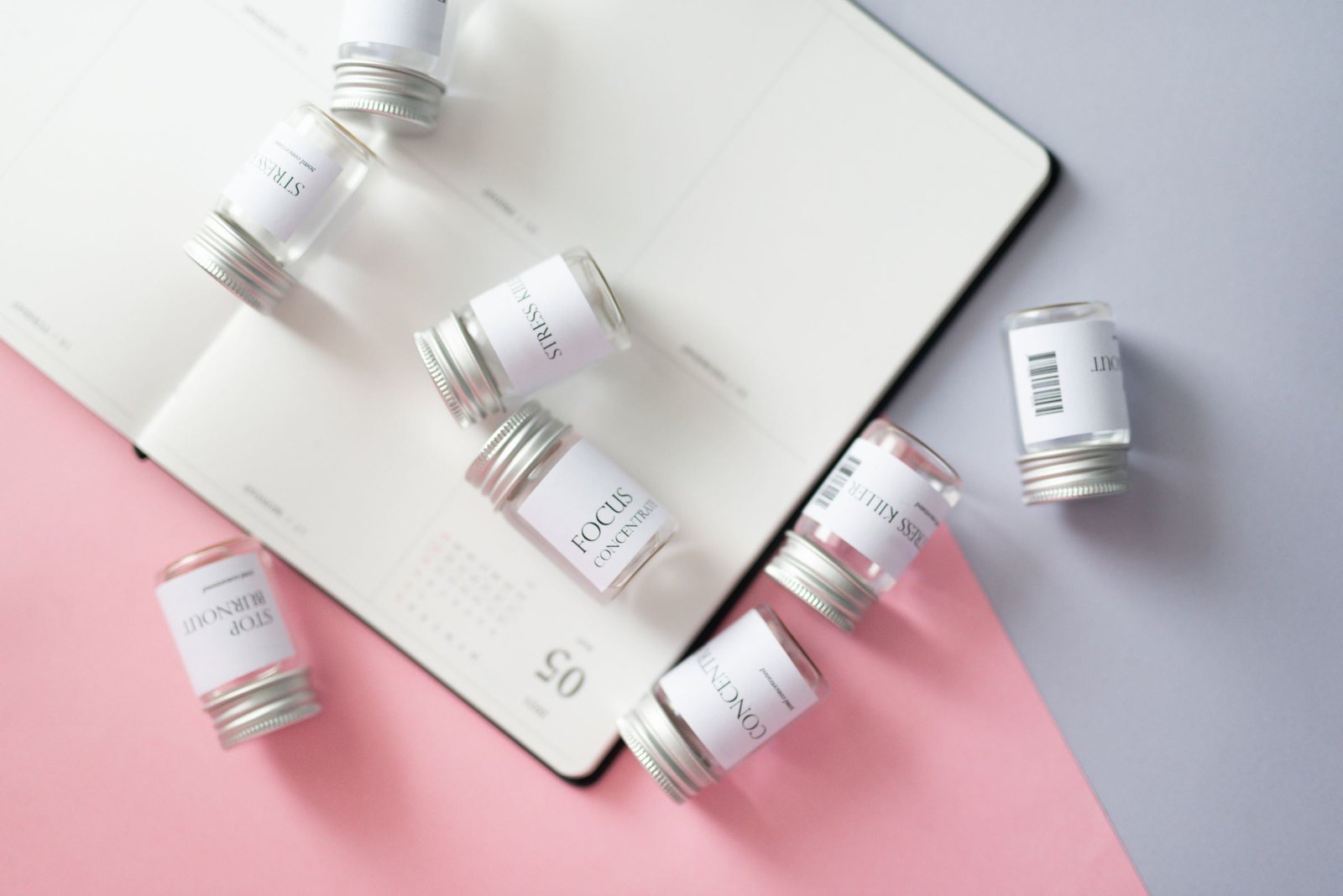


Look at your habits to gauge if alcohol medication works. Match your daily life, cravings, and drinking to your set goals. Share these targets with your prescriber. One test does not show success for all people. Your path is unique.
We explain how to log progress and plan for appointments here. This guide skips dosing or usage steps. Check our guide on medications for alcohol use disorder for full details.
We are an editorial team that digs into health sources. We are not a treatment provider. Talk to your doctor for any medical advice.
Monitoring Alcohol Medication Progress: How to Tell If It Is Helping
You and your prescriber can set goals that fit your life. Success does not have one clear definition. These goals might be having fewer heavy-drinking days or cutting back on drinking. Some people aim for abstinence. Others work on cravings or better daily life.[1]
Everyone sees progress in a different way. Your goals rely on the medication and you. A shift in one area is still worth noting. For example, you may have fewer cravings even if other issues remain.
They do not promise what will happen to you personally.
3
FDA-approved medications exist for alcohol use disorder[2]
Monitoring alcohol medication progress means looking at your goals over time. This lets you and your care team spot what is working. It also shows what might need a change.
What to Watch for With monitoring alcohol medication progress
Watching your alcohol use disorder medication helps you and your prescriber see what works. You do not need a fancy app. A basic phone note or calendar is fine. The aim is to collect honest details. This lets you talk clearly at your next visit.

A standard U.S. drink has about 14 grams of pure alcohol.[3] This number helps you estimate amounts when you log intake. Clinicians often use the Timeline Followback calendar method to review daily use, as it is a validated approach.[4] The AUDIT-C screens for unhealthy use, but it is not built to check if a specific medication is working.[5] Your personal log fills that gap by recording your unique experience.
Daily Tracking Checklist
Your ticks are saved on this device only.
Take a moment to reflect at the end of each week. Think about what changed since the last week. Write down what felt hard. Pick one or two points to share with your prescriber. Bring these notes to your appointment. If an entry seems confusing or worrying, do not judge yourself. Mark it as a question for your doctor instead. This turns scattered memories into useful data that supports your care plan.
Monitoring Alcohol Medication Progress: Tracking Methods and Test Insights
Honest chats with your care team are the top way to monitor alcohol use. Keep a steady log of your drinking. These records help your prescriber track your progress. Lab tests answer certain questions. On their own, they do not show the whole picture.
| Method | What it can indicate | Important limits | How it may inform a clinician |
|---|---|---|---|
| Personal drinking record | Daily patterns, triggers, and lapses over time | Depends on honest self-reporting; may miss minor slips | Provides context for interpreting lab results and adjusting treatment plans |
| Blood alcohol testing | Presence of alcohol in the blood at a specific moment | Only reflects recent intake; does not show long-term trends or medication response | Confirms abstinence or use at the time of the visit |
No single test shows that your medication is working. An alcohol monitoring system checks for exposure to alcohol. This is not the same as seeing how well the medicine helps you stay sober. Regular bloodwork can flag liver stress. It does not paint the full picture of your recovery. Speak with your prescriber about your tracking setup. Go over test results to grasp your progress clearly.
Items to Have Ready for Your Alcohol Medication Visit
A follow-up visit is a time to work on your plan together. Treatment should be tailored to your own situation, your choices, and how you are reacting to care.[6] ASAM guidance also says that ongoing reassessment is a key part of matching treatment to a person's needs and response.[7] Getting ready ahead of time helps you have a clear, productive talk.

- Summarize your goal. Write down the main outcome you and your prescriber agreed on, such as reducing heavy drinking days or managing cravings.
- Review your tracking notes. Look at your logs for changes in drinking, cravings, or mood since your last visit.
- List benefits and side effects. Note what has helped, any uncomfortable side effects, and any barriers that made it hard to follow the plan.
- Ask how progress will be judged. Discuss what specific changes matter most and how you will measure them together.
- Agree on the next check-in. Ask when you should follow up again and what options to discuss if progress is unclear or stalls.
Pack these notes to ensure nothing is missed at your appointment. To learn how to talk about alcohol medication with a doctor, check our guide on speaking with your clinician. If you hit a snag, know that handling a relapse is a standard step in recovery, not a sign that treatment failed.
Naltrexone Questions: Opioids, Liver Concerns, and Side Effects
Share your health history with your prescriber before you start naltrexone. This drug stops opioid receptors in the brain from working.[8] That action helps reduce alcohol cravings. It can also bring up safety issues for pain control and liver health. Before you begin, our guide to insurance coverage for naltrexone explains how to verify your prescription benefits and copays.
Your doctor must know your whole health story. They need this to pick if this drug is right for you. FDA labeling says naltrexone should go with a full treatment plan. That plan has psychosocial support.[9] Tell your team these details. This helps them look for risks. It also lets them answer questions about the downside of taking naltrexone.
| Topic | What to tell your prescriber | What to ask |
|---|---|---|
| Opioid use or pain care | Tell them if you use opioids now or recently used them. Include prescription pain pills or street drugs. Say if you have surgery soon that may need opioid pain shots. | How does this drug change my pain control? What other options do I have for pain? |
| Liver health | Share any history of hepatitis or liver disease. Mention signs like yellow eyes, dark urine, or constant tiredness. | Are my liver levels safe for this drug? How often will you test my liver? |
| Side effects | List any new symptoms like nausea, headaches, or dizziness. Note any mood changes since starting the drug. | Which side effects are normal? When should I call you right away? |
FDA warnings say naltrexone can cause hepatitis or liver damage.[10] Care usually includes regular checks. If you ask why doctors do not favor naltrexone, bring it up with them. You can ask about their hands-on experience with these safety checks. See our guide on naltrexone and opioid safety for more on handling pain meds.
Talk to your prescriber first before you stop or change your dose. Do not make these changes on your own. They can help you weigh the benefits and risks for your body.
Hard to Track Progress? Reassess and Stay Safe
Tell your prescriber if things feel stuck. Go over side effects, goals, and barriers. Do not change or stop your medicine on your own. Your prescriber can help adjust your plan.

Set goals
Agree on a baseline with your prescriber.
Track changes
Watch for progress and side effects between visits.
Check in
Discuss what is working at your next visit.
Plan next steps
Decide with your prescriber if you need changes.
The timeline can differ based on the medicine and the person. Reach out to your care team for help if you are managing a relapse.
Find a Safe Way Ahead
You can use this check to plan what comes next. It is not a medical test, and it does not show if your medicine works. ASAM states that care plans need a full look at your health. They do not use just one score.[13]
What’s a Useful Next Step?
This self-check is for information only and isn't a diagnosis. No result can reassure someone who has a danger sign.
Access is free and private. You can use it 24/7. It shares treatment info in English and Spanish.[15]
Frequently Asked Questions
What labs should be monitored for alcoholism?
There is no one lab test that shows if your medicine is working. Different drugs have different safety needs. Ask your prescriber which tests fit your health history. For acamprosate, kidney health is a key concern. This drug is not safe for people with severe kidney issues.[16]
Can alcoholism show on routine bloodwork?
Routine blood tests may show clues about your health. But they do not give a full picture of your drinking. They also do not show how your treatment is going. Doctors diagnose alcohol use disorder using symptoms and a clinical check-up. They look for at least two of eleven signs in a 12-month period.[17]
What is the success rate of naltrexone?
There is no single number that predicts how well it will work for you. Major guidelines list naltrexone as a treatment option.[18] Your results depend on many personal factors. Ask your prescriber which goals matter most for you.
Why don’t doctors like naltrexone?
Doctors do not all dislike this medicine. Prescribers weigh many factors before choosing a drug. They look at safety, your preferences, and other options. Ask your doctor why they chose or skipped this option for you.
What is the downside of taking naltrexone?
Talk to your doctor about possible side effects before you start. Nausea, headache, and dizziness are common reactions.[19] Do not stop or change your dose on your own. Call your prescriber if you feel unwell or have concerns.
Can I take naltrexone if I use opioids or may need opioid pain medicine?
Tell your prescriber about any opioid use before starting naltrexone. This drug can cause severe withdrawal in people dependent on opioids.[20] You need individual medical advice to stay safe. Do not guess what is right for your body.
How long does it take to know whether alcohol use disorder medication is helping?
There is no set timeline for every person or drug. Agree with your prescriber on when to review your notes. Decide what changes mean you should check in sooner. This plan helps you both track progress clearly.
How can doctors tell if you are a heavy drinker?
Clinicians often use short screening tools to start the chat.[5] These ask about how often and how much you drink. Answer as honestly as you can to help them understand. A screen result starts the talk but does not measure treatment success over time.