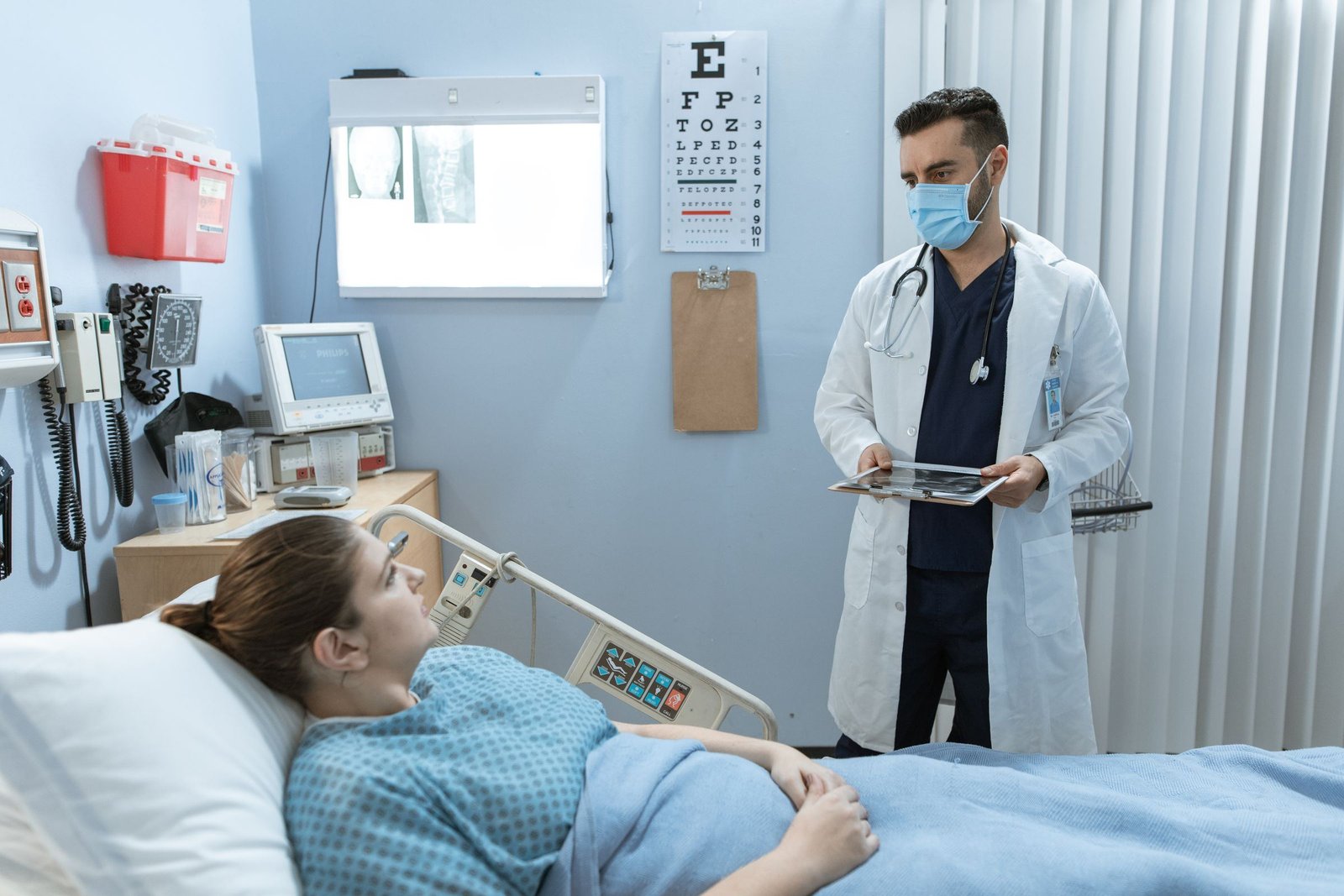


Your first methadone clinic visit usually includes intake questions. The team will check your health and substance use history. They will also do a clinical check. Processes vary by medication and program. Call ahead to ask what to expect and what to bring.
Methadone is usually given through an opioid treatment program. Buprenorphine may also be available from other qualified prescribers.
We are a treatment directory, not a provider. This guide is for information only. It is not medical advice. It covers appointment steps, prep, costs, and next steps. It does not give dosing instructions.
What to Expect at Your First Methadone Clinic Visit
Going to a new clinic can feel scary. Knowing what happens helps. Most first visits follow a similar path. The goal is to understand your needs. It is not about rushing you into treatment.
3
FDA-approved meds for opioid use disorder: methadone, buprenorphine, and naltrexone[1]
0
special waivers needed for buprenorphine since late 2022[2]
Methadone care usually happens in a special clinic called an OTP. This stands for opioid treatment program. Your first visit is mostly a check-up. Some people may start treatment at the first visit if the clinician and program determine it is appropriate; others may need another visit or a referral. The team decides what is safe for you.
Arrival and Check-In
You sign in and fill out forms. Staff check your ID and insurance info.
Intake Questions
Staff ask about your health and drug use history. They want to know why you are here.
Clinical Assessment
A clinician looks at your medical history. They talk with you about your goals. They may do a physical exam or drug test if the program requires it.
Next Steps
You talk about treatment options. You might start care that day, or you might get a referral or set up another visit to start care.
Your privacy matters a lot. Federal laws give extra protection to addiction treatment records.[3] You can ask how your info is kept safe. Ask who can see it during your visit.
Methadone and Buprenorphine: How First Visits Differ
The first visit looks different for each medication. Methadone for opioid use disorder is provided through an Opioid Treatment Program (OTP).[4] Buprenorphine can be prescribed in other places too.[4] A qualified clinician may write a prescription for it outside an OTP.[4]

Your first appointment is a chance to talk. You can share your health history and your goals. ASAM guidance says you should take part in decisions about your care.[5] Don't just follow orders. Ask questions.[5] The exact steps vary by program.
| Feature | Methadone | Buprenorphine |
|---|---|---|
| Where you get it | Provided through an OTP; take-home doses depend on clinical assessment and program rules[4] | May be prescribed outside an OTP by a qualified clinician[4] |
| Typical assessment | Review of health history, current use, and program eligibility rules | Review of health history, goals, and past treatment experiences |
| Next steps | Clinician determines if treatment can start that day; you may receive initial doses under supervision | Clinician determines if treatment can start that day; you may receive a prescription or initial dose depending on the setting |
| What to ask about | Visit times, take-home rules, and how doses are managed | When and how to start the medicine[5] |
They will guide you based on your health. If you have questions about starting buprenorphine while still using, ask your prescriber directly.
Before You Go: A First-Visit Checklist
Every clinic runs a little differently. Call ahead to confirm the time and address. Ask what you need to bring. If you are missing a document, call anyway. Don't let a missing paper stop you from starting care.
Before You Go
Your ticks are saved on this device only.
Be honest about what you've taken. The care team uses that info to dose safely. They also watch for drug interactions.
This includes anyone with a current or past opioid use disorder diagnosis.[6] Ask your clinic how to get it. Our guide on getting naloxone for safety walks through where to find it and how to use it.
Cost, Coverage, Access, and Methadone Rules in 2026
Every methadone or buprenorphine program runs a little differently. Appointment times vary. The insurance plans they take vary. What you pay out of pocket varies. The paperwork they need varies too. Call ahead before you go. Ask what to bring and what to expect.

Coverage, Cost, and Appointment Availability
If you have insurance, ask the program and your insurer these questions first:
- Do you take my plan?
- Does my plan need prior approval for methadone or buprenorphine?
- What will I owe per visit or per month?
- What happens if approval ends or is denied?
All Marketplace plans cover mental health and substance abuse services as essential health benefits.[7] A federal law called the Mental Health Parity and Addiction Equity Act generally stops plans from putting tighter limits on mental health or substance use care than on medical care.[8] Your plan may still have its own rules. Check with both the clinic and your insurer.
If you don't have insurance, ask about self-pay rates. Ask about sliding-scale fees or financial help. Read more about costs of methadone without insurance. No clinic must take your plan or offer lower fees. Always confirm before you go.
- Call the program. Confirm your appointment time. Ask exactly what papers they need, like photo ID or medication bottles.
- Ask about costs. Find out which plans they accept. Ask what you might owe per visit or per month. Ask if they offer self-pay rates or financial help.
- Contact your insurer. Ask what your plan covers for opioid treatment. Ask if prior approval is needed and how long it lasts. Ask what happens if it ends.
- Check current rules. Look at official federal and state sources for the latest requirements. Note the date you checked so you know how fresh the info is.
What the 2026 Rules Mean
We last reviewed this section on May 21, 2026. There is no verified new nationwide rule taking effect in 2026 that changes how methadone clinics run. It took effect on April 2, 2024.[9] That rule updated accreditation standards and some dosing flexibility at certified clinics. For the most current federal requirements, check the Substance Abuse and Mental Health Services Administration (SAMHSA) website directly.
State laws can add their own rules on top of federal ones. These state-specific rules can affect how quickly you can start care. Check your state's health department website for anything specific to where you live.
If a clinic says it cannot treat you, ask why and what steps it suggests next. Sometimes a waitlist exists or another nearby program can help sooner. Our guide on what to do if a clinic refuses to treat you walks through your options.
After Intake: Assessment, Treatment Planning, and Next Steps
A clinician will review your intake with you. They will talk about your options. You and the clinician will decide what to do next. This might include referrals for housing or legal help. There is no single path for everyone. Your plan depends on your needs. It also depends on how the program runs.
Medication treatment is proven care. Staying on methadone or buprenorphine lowers the risk of overdose death.[10] Treating withdrawal alone is not full care for opioid use disorder.[11]
Ask who to call with questions. Ask how follow-up visits are set up. Ask what to do if your symptoms change. Ask what to do if you face new barriers. Your team will update your plan as your needs change.
Review the assessment
The clinician talks through your intake results and options.
Pick next steps
You and the clinician agree on actions or referrals.
Set follow-up
The team schedules your next visit and shares contact info.
Update the plan
Your team checks in to adjust support over time.
Sleepiness, Side Effects, and Methadone Safety
Sleepiness is common when you start methadone. It can make you feel dizzy or lightheaded. This may affect how alert you are. It can make driving unsafe.[12]

For mild sleepiness without danger signs, tell your treatment team, especially if it is new or getting worse.
Never use alcohol or other drugs to "cancel out" methadone. This is dangerous. Mixing methadone with benzodiazepines or sleep aids raises the risk of deep sedation. It can also slow your breathing badly.[13] This mix can lead to coma or death.[13]
Do not stop or change your dose on your own. Talk to your treatment team first. They need to know about everything you take. Tell them about alcohol, benzodiazepines and other meds. This helps keep you safe.
If you take buprenorphine too, learn about common buprenorphine side effects.
Emergency Departments and Withdrawal Questions
It helps to know where to turn when you feel unwell. An emergency department is for urgent, life-threatening problems. An opioid treatment program (OTP) manages your ongoing methadone care.
If you have severe or worrying symptoms, do not wait for a predicted withdrawal peak. For symptoms without the danger signs below, seek urgent medical evaluation right away. Call 911 or go to the nearest emergency room now for seizures, severe confusion, hallucinations, a high fever or racing heart during withdrawal, signs of an overdose (including trouble breathing), or thoughts of suicide or self-harm. If you have thoughts of suicide or self-harm, you can also call or text 988.[14]
| Situation | Emergency Department Role | Ongoing Treatment Follow-Up |
|---|---|---|
| Urgent symptoms | Provides immediate evaluation and stabilization for severe withdrawal or overdose risk. | Contact your OTP prescriber as soon as you are stable. |
| Routine care assessment | Not appropriate for routine dosing adjustments or counseling. | Attend scheduled OTP assessments for medication management. |
For more details on what to expect during withdrawal, read our guide on managing opioid withdrawal symptoms.
Choose a Safe Next Step
This check looks at appointment details. It does not measure withdrawal or overdose risk. It cannot tell you if a medication is right for you. Only a clinician can make those choices.

First-Visit Readiness Check
This self-check is for information only and isn't a diagnosis. Your answers stay on your device.
Need support now? The SAMHSA National Helpline offers free treatment referrals and information 24/7.[15] The 988 Suicide & Crisis Lifeline is also available by call, text, or chat anytime in the United States.[14]
Looking at other medication options? Learn more about finding a buprenorphine prescriber.
Frequently Asked Questions
What happens during a first methadone clinic visit?
Your first visit usually includes intake questions and a clinical check-up. Staff may ask about your health history, substance use, and goals. After this, the team talks about next steps. The order and length vary by program. Ask if any part of the check-up happens at a later visit.
What happens at a first buprenorphine appointment?
The clinician looks at your health and medication history. They also review your goals and past treatments. They then discuss a plan that fits you. Buprenorphine products are Schedule III controlled substances.[4] Ask the prescriber how to prepare. Follow their specific directions. This guide does not give steps for starting medication.
Do I need a prescription before I go to a methadone clinic?
No, you do not. You can call an opioid treatment program (OTP) to ask about an assessment first. You do not need a prescription from another doctor beforehand. Ask the program what its admission steps are. Also ask what to do if you come from an emergency room.
What should I bring to my first appointment?
Call the program first. Requests can change between clinics. Ask if you should bring ID, insurance info, and details on meds or supplements. Also ask if you need health or treatment records. If you lack something, call again. Ask if you should still come in anyway.
Will an emergency room give me methadone?
An emergency room checks for emergencies. This is not the same as joining an OTP for ongoing care. Rules and options vary by location. Federal rules allow doctors to give up to a three-day supply of narcotic drugs to start treatment.[9] Ask the ER staff about referrals or bridging options. Then contact an OTP for continuing care access.
When is the peak of methadone withdrawal?
Do not wait alone for a predicted peak. If you have seizures, severe confusion, hallucinations, a high fever, or a racing heart during withdrawal, call 911 or go to the nearest emergency room now. For symptoms without these emergency danger signs, contact a qualified treatment professional. See our managing opioid withdrawal symptoms guide for more on safe care options.
Does methadone cause sleepiness, and can anything cancel it out?
Methadone can cause sleepiness in some people.[12] Do not change your treatment on your own. Call your treatment team about sleepiness that is not an emergency. They can help you safely. Call 911 if someone is hard to wake up or has slow breathing. These are signs of overdose that need help now.
How long is the average patient on methadone?
There is no single average time that fits everyone. Your stay in treatment depends on your goals and medical needs. Some people use it short-term while others need longer support. Talk with your care team about benefits and concerns. Do not stop just because of a set timeline or outside pressure.