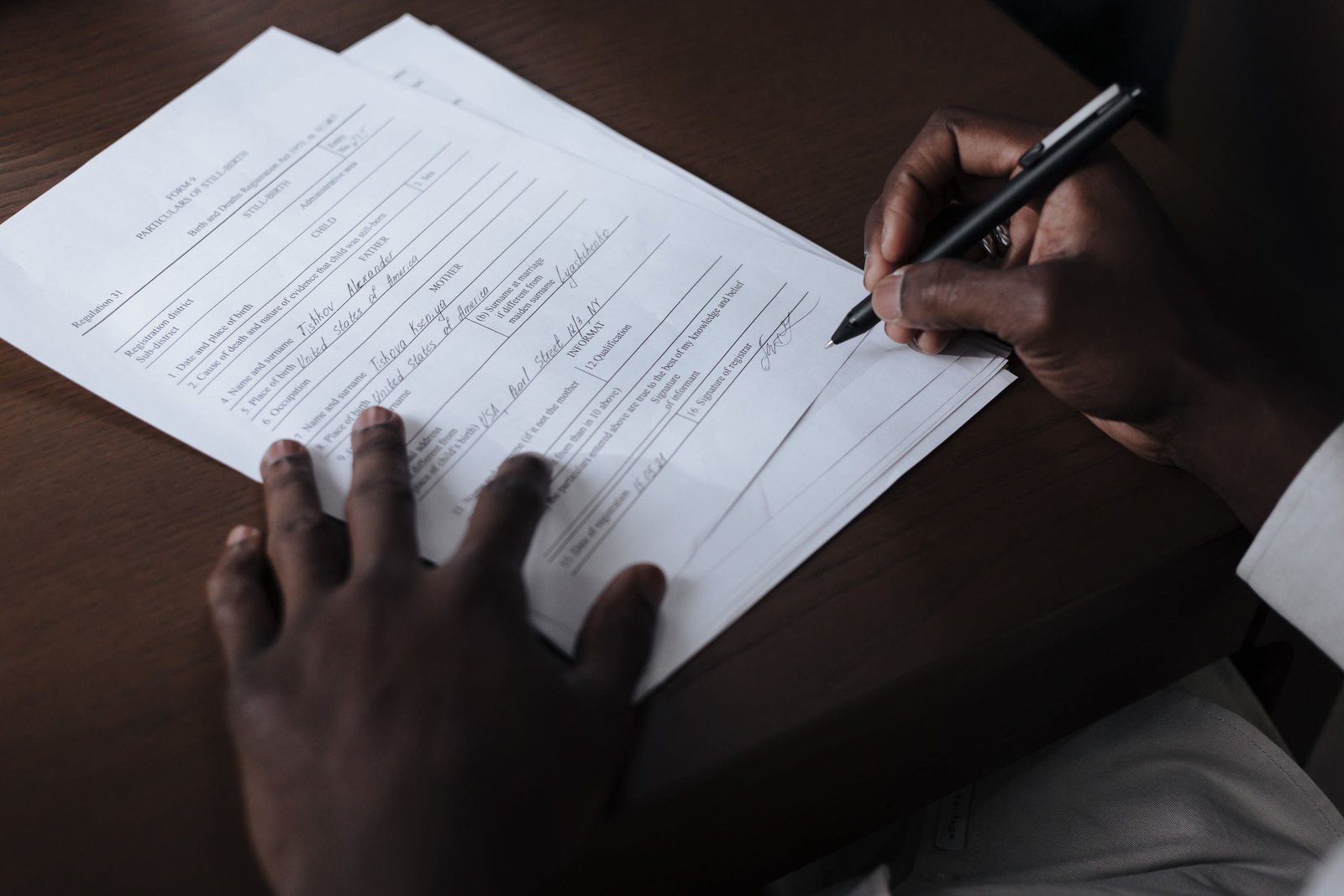


Rehab costs may be covered if you apply for Medicaid. Approval is not guaranteed, though. A spot at a specific center is not locked in either.
As a general rule, states have 45 days to make a choice on most applications. When a disability determination is required, that window grows to 90 days. Exceptions can apply.[1] There is no set date for admission.
We act as an independent directory, not a provider. This guide shows how to apply and track your status. It also lists what to confirm before treatment starts. We make no promise of coverage or payment.
Does Medicaid Pay for Rehab?
Medicaid can pay for addiction treatment if you are eligible. Yes, it helps. But approval does not mean every rehab center is covered.
Not every level of care is covered. Each state sets its own rules for what it includes.[2]
Federal rules set time frames for processing eligibility decisions. Most applicants have 45 days. People applying based on a disability have 90 days.[1] These are federal benchmarks for agency speed, not a promise of a set date for your decision.
States may extend these timelines only when unusual circumstances stop a timely decision. These events must be beyond the agency’s control, such as an administrative emergency.[3]
45 days
federal standard for most eligibility decisions[1]
90 days
federal standard when a disability determination is needed[1]
The federal guidelines do not break down processing times for Ohio or Virginia. Check official state sources or talk to your state Medicaid office to learn current times in your area. Your state Medicaid office or health plan can also confirm your specific benefits.[2]
What Rules Apply for Inpatient Rehab?
Inpatient rehab needs two distinct checks. One confirms if Medicaid can help pay. The other sees if a clinical team thinks inpatient care is right for you. Clearing one check does not clear the other.

Your state decides the money rules. These rules change based on who you are and where you live. There is not one income test for all people. In states with the adult expansion, adults under 65 may qualify at income up to 138% of the federal poverty level.[4] Local rules still apply. You can apply for Medicaid any time of year.[5]
To see the current income and category rules for your area, visit your state's official eligibility page or screening tool. In Ohio, you can apply through Ohio Benefits,[6]. In Virginia, you can apply through Virginia Benefits Plus.[7] Both states need proof of residency and identity. They decide eligibility using income, household size, and category rules. Our guide to Medicaid rehab coverage by state has more state details.
Having Medicaid does not remove the need for a clinical check. A provider must state that inpatient care is medically necessary. What each step covers is shown in the table below. This is not a final decision by an agency or provider.
| Medicaid Eligibility | Rehab Admission |
|---|---|
| Decider: State Medicaid agency | Decider: Clinical team at the program |
| Questions: Do you meet income and residency rules? | Questions: Do you need 24-hour care? |
| Focus: Cost and legal status | Focus: Health needs and safety |
| Result: Eligibility decision | Result: Spot in a specific program |
Note that an eligibility decision does not automatically mean a specific rehab service or provider is covered. Medicaid may cover substance-use-disorder treatment services, but the covered services and conditions vary by state and do not guarantee that every facility or level of care is covered.[2] You can use this tool to verify your rehab benefits once you have a program in mind.
First, check your Medicaid status to see if you qualify. Next, speak with a treatment provider about an assessment. Your health history and symptoms will be reviewed by them. They will decide if inpatient care is needed for you.
Apply for Medicaid for Rehab: Steps
You do not need to wait for a set open-enrollment period to apply for Medicaid and CHIP.[5] You can apply for Medicaid and CHIP any time of the year.[5]
- Start with your state's Medicaid agency. This is the main way to apply for Medicaid for rehab. You can also use HealthCare.gov. It may send your application to your state if you might qualify.
- Fill out the form. Gather the info the form asks for. This usually includes income, family size, and other insurance.
- Save your confirmation. Write down the confirmation number and case number. You will need these to check your status later.
- Watch for updates. Check your email, phone, and mail often. If the agency asks for more info, send it right away. This helps keep your approval on track.
Track Your Medicaid Application
Your ticks are saved on this device only.
How Long to Get a Medicaid Decision
Federal rules set a time limit for Medicaid decisions. Most cases use a 45-day standard. Cases that need a disability determination use a 90-day standard.[1] These are limits, not a promise of approval.

You submit your application
The clock starts here for the federal time limit.
The agency reviews it
They check your details. They may ask for more papers, like proof of where you live.
You send missing info
If you do not reply after a fair chance, the agency can wait for you.
You get a decision
The agency sends a letter. It says if you are eligible or not.
The state may miss the deadline at times. This occurs if unusual events outside the agency's control stop a quick decision. An administrative or other emergency is one example.[3]
The federal standard is not an estimate for one state. If you live in Ohio or Virginia, check your state's site for current processing times. If no time is listed, the standard federal rules apply. Ask the agency directly if you are unsure.
Getting approved is only one part. You still must find a rehab program that takes your plan. You also must check if your benefits cover rehab costs. Last, you work with the facility to start treatment.
Rehab Care During a Medicaid Application Review
Filing a Medicaid application does not give you active coverage. Do not count on Medicaid paying for care before your approval date.
Do these things to keep you safe:
- Call your state Medicaid agency. Check on your application. Get your eligibility effective date. See if retroactive coverage applies to you.
- Check if they take in people whose applications are still pending.Ask the facility in writing. Ask what bills you may owe now. Ask what happens if your application is denied or delayed.
- Plan for the wait. Waiting for a bed? Our guide on navigating rehab waitlists lists options while you wait.
Plan your next moves with this check.
Next Steps While Your Application Is Pending
This self-check is for information only and isn't a diagnosis. No result predicts eligibility or payment.
How Ohio and Virginia Medicaid Cover Rehab
Medicaid can cover substance-use-disorder treatment, but each state sets its own rules.[2] Coverage is not guaranteed for every level of care or facility. Know the difference between residential treatment, inpatient hospital care, and withdrawal management. These are separate service types.

The table below compares current state materials. Our last review of these sources was on October 26, 2024. Find more details in Medicaid rehab coverage by state.
| Feature | Ohio | Virginia |
|---|---|---|
| How to Apply | Use Ohio Benefits.[6] | Apply through Virginia Medicaid. |
| What to Check | Provider rules and ASAM criteria.[8] | Your plan, provider, and approval needs.[7] |
Ohio Medicaid Info
Current Ohio Medicaid policy papers detail which residential substance-use treatment services qualify and the rules for them.[8] These rules cover all Medicaid recipients. The state uses ASAM criteria for admission and discharge.[8] This applies to substance use and co-occurring conditions.[8]
Apply for Medicaid via Ohio Benefits.[6] Check if your provider accepts Ohio Medicaid. Also, ask about the criteria for your level of care.
Virginia Medicaid Info
Virginia Medicaid treats residential treatment and inpatient hospital care as separate things.[7] Inpatient care means 24-hour medical care in a hospital.[7] It may also take place in a special hospital unit.[7] Residential care is provided in a facility that is neither a hospital nor a home.[7]
Review your specific plan before scheduling care. Ensure the provider is in your network. Ask if prior authorization is required first.
Look Over the Center, Plan, and Approval
Finding a rehab that takes Medicaid is one step. Having Medicaid is another. A center may allow Medicaid overall. But it may not take your state plan. Or it may not take your managed-care group.
Before you set a start date, make sure the program takes your exact plan.
Take this list when you speak with the center and your plan. Record each response. That will help you line them up later.
Questions for the Program and Your Plan
Your ticks are saved on this device only.
If you need an alcohol rehab that takes Medicaid, look at network status first. See how to check your coverage here: verify your rehab benefits. Hold onto all notes from these calls. Put down names and dates. This helps if you have questions later.
Ways to Get Care and Pay During the Wait
The wait for a Medicaid decision can be tough. But you still have paths to get help. If you suspect an overdose or severe withdrawal, call 911 or go to the emergency room now. Do not put off care for insurance. Severe alcohol withdrawal can bring on confusion and hallucinations.

- Check your application status. Call your state Medicaid agency. Ask where your application stands. Find out if any papers are missing.
- Ask programs about payment. Contact treatment centers. Ask about self-pay rates and payment plans. Ask if they can refer you to lower-cost care or state-funded treatment options.
- Use a referral resource. Reach out to a helpline or local service. They can help you find open treatment slots while you sort out payment details.
- Seek emergency care immediately. If someone is unconscious or having trouble breathing, call 911 or go to the emergency room right away.
It is possible to find treatment without insurance. Many providers give grants or flexible billing to help with rehab costs. Look at state-funded treatment options in your area too. Our guide on emergency detox resources covers urgent situations.
Medicare and Medicaid: See Which Benefit Matches Your Care
People with both Medicare and Medicaid must learn which plan pays first. How long Medicare and Medicaid pay for rehab rests on the kind of care you receive. Every setting follows its own rules.
| Care Setting | Benefit Category | Key Rules | What to Check |
|---|---|---|---|
| Inpatient Hospital Care | Medicare Part A | May cover up to 90 days per benefit period if the stay is a medically necessary inpatient admission. Deductibles and daily coinsurance apply. You may use 60 extra lifetime reserve days under applicable rules.[9] | Confirm the hospital accepts Medicare and that your stay qualifies as inpatient care. Verify your benefit period status and expected out-of-pocket costs. |
| Skilled Nursing Facility Care | Medicare Part A | May cover up to 100 days if coverage requirements are met. Coinsurance generally applies for days 21–100.[9] | Make sure the facility is certified. Check admission rules and confirm your specific costs. |
Residential treatment is not always covered. Other paid care does not mean this is covered. Each benefit works on its own.
Usually, Medicaid is the payer of last resort when Medicare is also involved.[10] This role does not ensure payment for leftover bills or cost-sharing. Coverage rests on your eligibility, the service, provider participation, and state rules. Check coverage, provider participation, and likely cost-sharing with both plans before care begins. Read our guide to check your insurance coverage. Always verify details with your Medicare plan and state Medicaid agency.
Frequently Asked Questions
Can I enter rehab while my Medicaid application is pending?
Maybe. The facility sets its own rules for admission and payment. Ask what you might owe. Also ask what happens if your claim is denied. Or if coverage starts later. Check your status with the state agency. Do not assume the facility will bill Medicaid later.
Does Medicaid pay for rehab in Ohio?
Ohio Medicaid covers certain substance use treatments. This includes residential services that meet state rules.[11] Ask if your plan covers that specific setting. Also ask if the facility takes Medicaid. You may need prior authorization.
Does Virginia Medicaid cover inpatient rehab?
Virginia uses the ARTS benefit for substance use care. It has specific rules for each service type.[12] Clarify if you need residential care or hospital care. Ask DMAS or your plan for details. You may need authorization to start treatment.
What are the new rules for Medicaid in Ohio?
No single rule changes everything for everyone. Check official state materials for current changes. For example, fee rates changed on September 1, 2024, and are effective for services provided on or after that date.[13] Look for clear effective dates in these documents. Ignore old news or proposed ideas that are not yet law.
How long will Medicare and Medicaid pay for rehab?
Medicare rules depend on the type of care you receive. Residential treatment is a separate benefit question. Medicaid coverage length varies by state and service.[14] Check your approved service with the state agency. Also review any end dates with your provider.